3-3.2.3 Hot Start PCR:
During conventional PCR, the Taq DNA polymerase remains active at room temperature butits activity falls when temperature is lowered down. In some occasions, nonspecific primer binds at low temperatures. This nonspecific bound primer can then be extended by the Taq DNA polymerase, resulting in nonspecific products generation and lowering of product yield. Hot Start PCR helps to mitigat e nonspecific primer annealing, primer dimer formation, and often enhanc es product yield. The method involves withholding one of the critical components of PCR like magnesium ion, the enzyme DNA polymerase, PCR primers, and dNTPs from the reaction until the temperature in the first cycle rises above the annealing temperature. It can be performed manually by heating the reaction components to the melting temperature(Tm) of DNA (e.g. 95°C) before adding the polymerase. Another strategy involves the use of a physical barrier like wax to segregate key reaction components. Specialized reagents provide an alternative route by inhibiting the polymerase a ctivity at room temperature, either by the binding of an antibody or by covalently bound inhibitors that is required for dissociation a high-temperature activation step. ‘Hot-start/cold-finish PCR' is mediated by genetically engineered polymerases that are inactive at ambient temperature but is activated at high temperatures.
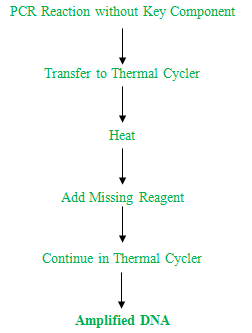
Fig 3-3.2.3: Sequential Steps of Hot-Start PCR