3-3.1 Introduction:
In the last lecture we discussed that in 1985 Kary Mullis developed Polymerase chain reaction (PCR) which has become an everyday laboratory procedure to obtain millions of copies of a specific piece of DNA of interest. The reaction requires the template DNA, target sequence specific primers and mixture of dNTPs, and heat-stable Taq DNA polymerase. A typical PCR involves repeated cycles of heating and cooling of the reaction mixture to allow template DNA denaturation, primer annealing and new DNA strand formation. Billions of amplicons will be generated at the end of 30-35 repetitive PCRcycles. At the end of 30 cycles, the specific sequence will be exponentially amplified to generate multiple copies (230 copies) (amplicons). The basic PCR process has been modified to expand its applications in various fields. PCR has been a widely used technique as a diagnostic and research tool. The applications of PCR are progressively growing and are used in many scientific disciplines including genetics, molecular biology, forensic science, paternity testing, clinical diagnostics, microbiology, environmental science, hereditary studies etc. Depending upon the application there may be a variation in the PCR technique deployed which is another advantage of this method.
3-3.2 Variations in PCR:
3-3.2.1 Reverse Transcription PCR (RT-PCR):
In reverse transcription polymerase chain reaction (RT-PCR), first a RNA strand (template) is reverse transcribed into its complementary DNA copy using reverse transcriptase, and subsequently cDNA is amplified using PCR.Various types of Reverse transcriptase enzyme, isolated from Avian myeloblastosis virus (AMV),Moloney murine leukemia virus (MMLV or MuLV) are generally used to produce a DNA copy from RNA template. Random primers, an oligo (dT) primer or sequence-specific primers are used to amplify cDNA. Alternatively, some thermostable DNA polymerases (e.g., Tth DNA polymerase isolated from Thermus thermophilus) having reverse transcriptase activity, which requires manganese (Mn2+) as a cofactor for activation instead of magnesium. Basic PCR follows this initial reverse transcription step for amplification of the target sequence.
RT-PCR is widely used in the diagnosis of genetic disorders and semi quantitatively in the calculation of specific expression level of particular RNA molecules within a cell or tissue. RT-PCR also helps in obtaining eukaryotic exon sequences from mature mRNAs.
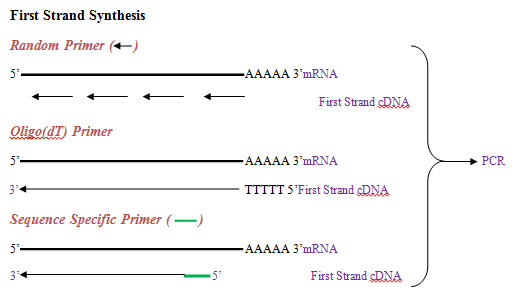
Fig 3-3.2.1: Schematic Diagram of RT PCR