3-5.5.1.3 PCR mediated DNA labeling:
This method has several advantages over other methods.
• Defined segments of target DNA can be amplified and labeled independently of restriction sites.
• Amount of template DNA is required very small and
• No need to isolate fragments of DNA or to sub-clone into vectors containing bacteriophage promoters.
The standard PCR reaction can be modified to incorporate labeled nucleotides. The methods commonly used are:
• Standard PCR-based DNA labeling- The probe generation reaction is modified to incorporate one or more labeled nucleotide precursors at a concentration same as oligonucleotide conc.(Km) or slightly above Km and others at concentrations exceeding Km, which become incorporated into the PCR product throughout its length.
• Primer-mediated 5′ end labeling. This method uses a 5' end-labeled primer, which is incorporated during PCR reaction. It is utilized in DNA sequencing, PCR based mutagenesis etc.
Radiolabeled probes can be generated for both strands using equal concentrations of primers or biased heavily in favor of one strand of DNA using higher concentration of one primer.
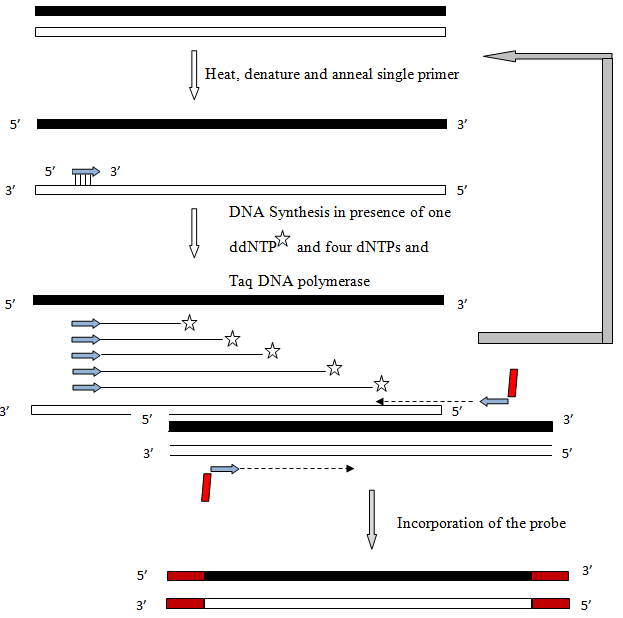
Fig3-5.5.1.3: Standard PCR-based DNA labeling