3-5.3 Gene Probes
Gene probes are generally longer than 500 bases and consist all or most of a target gene.
They can be generated in two ways. Cloned probes are normally used when a specific clone is available or when the DNA sequence is unknown and to be cloned first in order to be mapped
and sequenced. Polymerase chain reaction is a powerful tool for making gene probes because it is possible to amplify and label simultaneously. Having the whole sequence of a gene, which can easily be obtained from Databases (Genbank, EMBL, DDBJ) primers can be designed to amplify the whole gene orgene fragments. It is more convenient when the gene of interest is PCR amplified because there is no need for restriction enzyme digestion, electrophoresis and elution of DNA fragments from vectors. If PCR amplification gives nonspecific bands, it is recommended to gel purify the specific band that will be used as a probe.
Gene probes generally provide greater specificity than oligonucleotides because of their
longer sequence and because more detectable groups per probe molecule can be incorporated
into them than into oligonucleotide probes.
3-5.4 Hybridization Probes
Probe is labeled in standard hybridization assay whereas target is labeled in reverse hybridization assays .Ease of preparation and reliability of labeled probes make the standard hybridization assays as preferable choice over reverse hybridization methods. Nucleic acid probes can be single-stranded or double-stranded molecules, but the w orking probe must be single-stranded . The probes,whichmay constitute either short sequences of DNA , RNA or synthetic oligonucleotides, are used in hybridization based techniques such as Southern, Northern blotting, colony and plaque hybridization, in situ hybridization and sequencing by hybridization.
Origin and characteristics of nucleic acid hybridization probes:
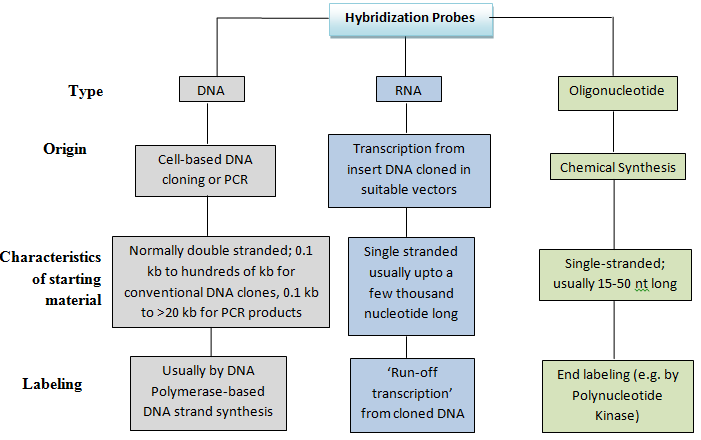
Fig. 3-5.4: Features of Hybridization Probes