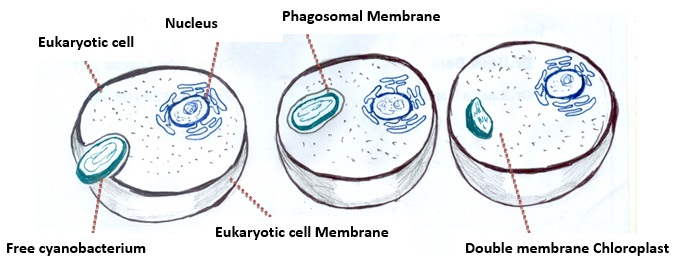
Figure 5-5.2.2: Chloroplasts derived from endosymbiotic cyanobacteria.
(Adapted from http://en.wikipedia.org/wiki/Chloroplast)
Plastid genomes resemble bacterial genomes in many aspects and also contain some features of multicellular organisms, such as RNA editing and split genes.
Most of the proteins are encoded in the plant nucleus, synthesized and then imported into the chloroplast. However, chloroplast genome encodes for transcription and translation machinery and numerous proteins.
5-5.3. Chloroplast transformation: historical perspective
First stable chloroplast transformation was achieved in the alga Chlamydomonas reinhardtii. In addition, the aadA marker and methods for removal of marker were first demonstrated. In higher plants, Tobacco due to its ease of culture and regeneration, gained significant attention for chloroplast transformation.
Tobacco protoplasts were co-cultivated with Agrobacterium but the resulted transgenic lines showed the unstable integration of foreign DNA into the chloroplast genome.
The candidate genes were introduced in isolated intact chloroplasts and then into protoplasts resulting in transgenic plants. Gene gun, a transformation device, was developed by John Sanford to enable the transformation of plant chloroplasts without using isolated plastids.