5-5.1. Introduction
Chloroplast transformation is an important tool for biotechnological applications and has gained much interest in the regulation of gene expression and plant physiology.
5-5.2. Chloroplast
Chloroplasts are sub cellular organelles (plastids) of plant cells generally considered to be derived from the symbiotic cyanobacteria. They are present in shoots and leaves of green plants and contain pigment called chlorophyll. They are also present in several forms as colorless plastids (amyloplasts) in roots and as colored plastids (chromoplasts) in fruits. A cell comprises variable number of plastids, each plastid containing many copies of genome (50 to 100).
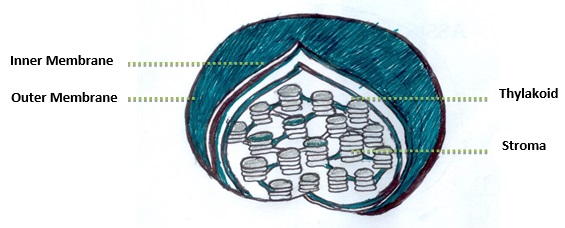
Figure 5-5.2.1: Schematic diagram of Chloroplasts
(Adapted from http://www.nature.com/scitable/topicpage/plant-cells-chloroplasts-and-cell-walls-14053956)