In the last step of the ubiquitylation cascade there is formation of an isopeptide bond between a lysine of the target protein and the C-terminal glycine of ubiquitin via activity of one of the hundreds of E3 ubiquitin-protein ligases. All steps are are given in Figure 31.6. In E1-E2-E3 cascade, one E1 molecule causes binding to several E2 which in turn bind to hundreds of E3 in hierarchical fashion.
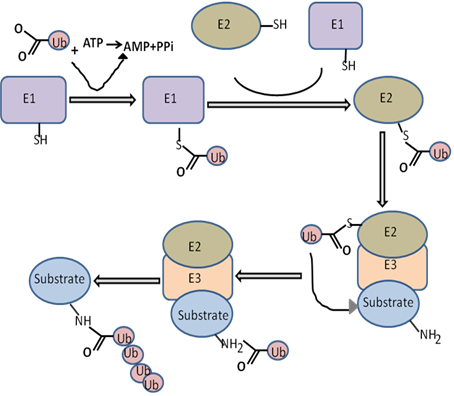
Figure 31.6 : Sequential steps of ubiquitylation
Methylation: This process refers to addition of methyl group to Nitrogen (N-methylation) or Oxygen (O-methylation) to amino acid side chain. N-methylation is irreversible whereas O-methylation is potentially reversible. Methylation enhances hydrophobicity of amino acid and neutralizes negative charge when attached to carboxylic acid. Main methyl group contributor for such reaction is SAM (S-adenosyl methionine). This reaction is mediated by enzyme methyltransferases. Methylation process is involved in epi-genetic regulation as histone methylation and demethylation.