PHOSPHORYLATION: Phosphorylation is an important post-translational modification. It is prevalent from bacteria to higher eukaryote sustaining as mainly two types. First it acts to functionally regulate the catalytic activity of the protein by defining a rigid and permanent 3-D protein structure. Secondly, temporarily phosphorylate proteins serve as anchors for other protein substrates in signal transduction pathways. As, such it acts as a key-player in the regulation of many cellular processes like cell-cycle, cell growth, apoptosis and regulation of signal transduction pathways
Mechanism of phosphorylation: In eukaryotic cells, phosphorylation is known to occur only at the side chains of three amino acids, serine, threonine and tyrosine. This is because these amino acids harbour a nucleophilic (–OH) group. The terminal phosphate group  on the universal phosphoryl donor adenosine triphosphate (ATP) serves as the point of nucleophilic attack from that -OH group, which results in the transfer of the phosphate group to the amino acid side chain.Magnesium (Mg2+) ions acts as catalyst by chelating the γ- and
 β-phosphate groups resulting in lowering of the threshold for phosphoryl transfer to the nucleophilic (–OH) group as we discussed in Figure 31.1 .
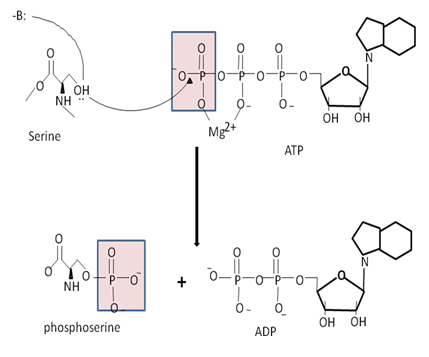
Figure 31.1 : Mechanism of phosphorylation