These conformational changes can affect the protein in two different ways; (1) Phosphorylation causing conformational changes in the phosphorylated proteins, These conformational changes stimulate the catalytic activity of protein, so any protein can be activated or inactivated by the phosphorylation. (2) Phosphorylated proteins employ the neighbouring proteins which have structurally conserved domains that distinguish and bind to phosphomotifs. These domains are specific for diverse amino acids. Protein phosphorylation is a reversible Post translation modification which is carried by kinases which phosphorylate and phosphatases which dephosphorylate to substrates (Figure 31.2). These two type of enzymes make possible the dynamic nature of phosphorylated proteins. So the balance concentration of kinase and phosphatase is very important for the cell and it is also important for the catalytic efficiency of a particular phosphorylation site.
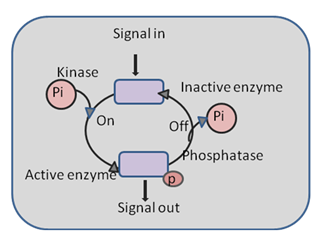
Figure 31.2 : Working of phosphatases and kinases
Glycosylation: Glycosylation is a dire function of the biosynthetic-secretory pathway in the endoplasmic reticulum (ER) and Golgi apparatus. Approximately 50% proteins characteristically expressed in a cell go through this alteration, which involves the covalent addition of sugar moieties to specific amino acids. Mostly, soluble and membrane-bound proteins expressed in the endoplasmic reticulum undergo glycosylation , including all secreted proteins, surface receptors and ligands . Moreover, some proteins that are transferred from the Golgi to the cytoplasm are also glycosylated.
Protein glycosylation has several roles to play. In the ER, glycosylation is important to govern the standing of protein folding. it is a quality control mechanism to assurance that only correctly folded proteins will be transferred to the Golgi. Glycosylated proteins (glycoprotein) are discovered in nearly every living organism including eukaryotes, eubacteria and archae. Eukaryotes hold the highest variety of organisms that express.