Some non viral methods
• Direct injection/particle bombardment:
DNA can be injected parenterally which can be considered for Duchenne muscular dystrophy (DMD). An alternative approach uses particle bombardment (‘gene gun') technique, in which DNA is coated on to metal micro particles and fired from a ballistic gun into cells/tissues. This technique is used to transfer the foreign DNA and its transient expression in mammalian cells in vitro and in vivo as well. It can cross the physical barriers like skin, muscle layer for which it is used for vaccination. Particle bombardment is used to deliver drugs, fluorescent dyes, antigenic proteins etc.
Advantage: Simple and comparatively safe.
Disadvantage:
- Poor efficiency of gene transfer.
- A low level of stable integration of the injected DNA. Repeated injection may cause damage in the proliferating cells.
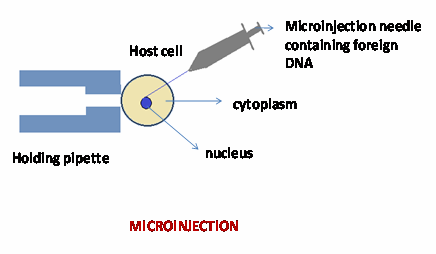
Figure 8-1.7.2.1: Microinjection process
Microinjection involves the delivery of foreign DNA, by the help of glass micropipette into a living cell. The cell is held against a solid support or holding pipette and micro needle containing the desired DNA is inserted into the cell. The tip of the pipette used is about 0.5 to 5 micro meter diameter which resembles an injection needle. For this, glass micropipette is heated until the glass becomes somewhat liquefied and is quickly stretched to reassemble a injection needle. The delivery of foreign DNA is done under a powerful microscope (micromanupulator).