2. Clathrin-mediated endocytosis: Clathrin-mediated endocytosis is also known as receptor mediated endocytosis. It is the process of internalizing molecules into the cell by the inward budding of plasma membrane vesicles containing proteins with receptor sites specific to the molecules being internalized (Jackson et al.).
Phases of clathrin-mediated endocytosis:
- Macromolecules (as ligands) bind to the specific cell surface receptors
- Then the receptors are concentrated in specialized regions of plasma membrane and clathrin and adaptor protein binds to these receptor forming clathrin-coated pits
- These pits bud from the membrane and form clathrin-coated vesicles containing receptors, proteins and ligands
- Then these vesicles fuse with early endosomes, in which the contents are sorted for the transport to lysosomes and receptors and proteins are recycled to plasma membrane
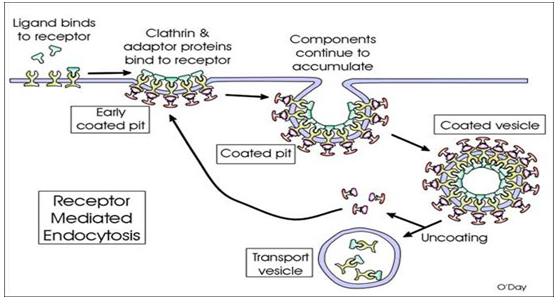
Figure 4: Phases of clathrin-mediated endocytosis
The example for clathrin mediated endocytosis is uptake of cholesterol by the mammalian cells. Here cholesterol is transported through the blood stream in the form of lipoprotein or LDL. The LDL particle consists of phospholipid bilayer, esterified and non-esterified cholesterol and Apo B protein as shown in figure 4. It was first demonstrated by Michael Brown and Joseph Goldstein in which uptake of LDL requires the binding of LDL particle to the specific cell receptor. Later it was found that it is concentrated in clathrin coated pits and internalized by endocytosis. Then receptor is recycled to plasma membrane and LDL is transported to lysosome and cholesterol is released for use by the cell.
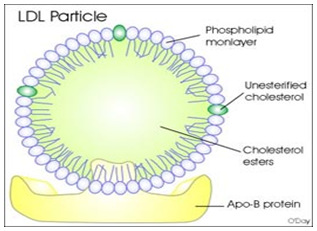
Figure 5: LDL particle or low density lipoprotein