The various phases of phagocytosis in amoeba for food capturing are:
- Adherence of the macromolecules to the receptor on the phagocytic cell
- Extension of pseudopodia and ingestion of microbe by phagocytic cell
- Formation of phagosome by the fusion of surrounding membrane
- Fusion of phagosome and lysosome to form phagolysosome
- Digestion of the ingested macromolecules by the acid hydrolytic enzymes in the lysosome
- Formation of residual body coating indigestible material
- Discharge of waste materials
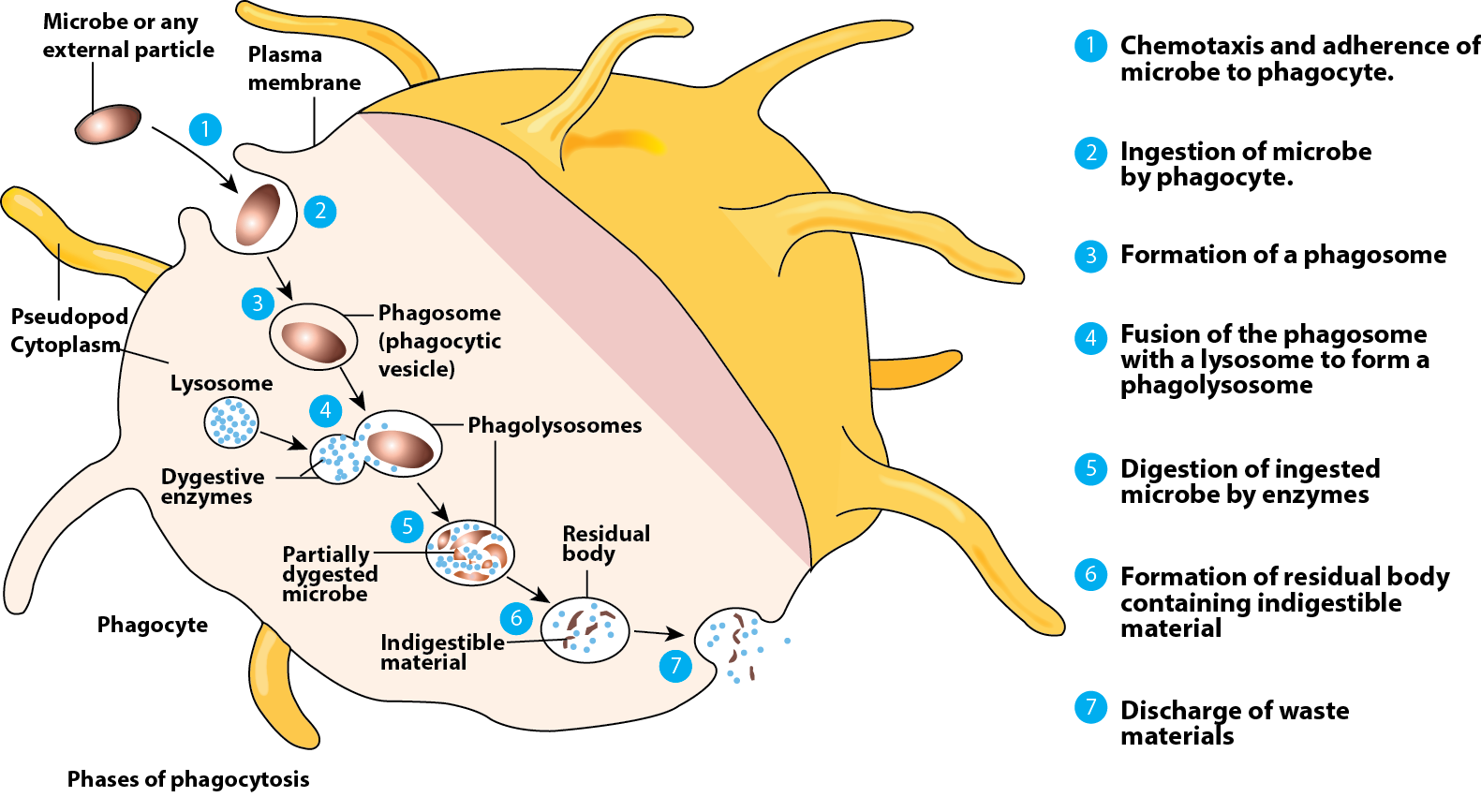
Figure 3: Phases of phagocytosis process
Other examples of phagocytosis include some immune system cells, that engulf and kill certain harmful, infectious micro-organisms and other unwanted foreign materials which in turn provides defence against invading micro-organism and eliminate damaged cells from the body. There are two types of phagocytes (WBC) in mammals: Macrophages and Neutrophils. These WBC acts as defence system by eliminating micro-organisms from infected tissues. In these cells, the engulfment of foreign material is facilitated by actin-myosin contractile system. It allows the cell membrane to expand in order to engulf the particle and then contract immediately, ingesting it. Macrophages also remove dead cells.
Steps of phagocytosis in the immune system:
The WBC cells are activated in the presence of certain bacterial cells, inflammatory cells or other foreign bodies. It includes the following steps:
- Phagocytes get activated by the presence of certain particles around them. As soon as they detect a foreign particle, the phagocytes produce surface glycoprotein receptors which increase their ability to adhere to the surface of the particle.
- The phagocyte slowly attaches to the surface of the foreign particle. The cell membrane of the phagocyte begins to expand and forms a cone around the foreign particle.
- The cell membrane surrounds the foreign particle to create a vacuole, known as phagosome or food vacuole. The phagosome is then passed into the cell for absorption.
- The lysosomes break the food vacuole or phagosome, into its component materials. The essential nutrients, if any, are absorbed in the cell, and the rest is expelled as waste matter. In case of the immune system, the cell creates a peroxisome, a special structure that helps the body to get rid of the toxins.