| 29.1 DRAM Basics |
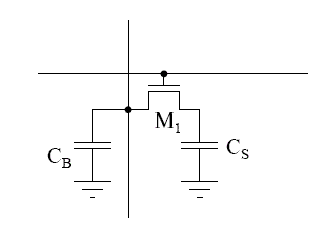
| A typical 1-bit DRAM cell is shown in Figure 29.11 |
| |
|
Fig 29.11: DRAM Cell |
| |
The capacitor  stores the charge for the cell. Transistor M1 gives the R/W access to the cell. stores the charge for the cell. Transistor M1 gives the R/W access to the cell.  is the capacitance of the bit line per unit length. is the capacitance of the bit line per unit length. |
| |
| Memory cells are etched onto a silicon wafer in an array of columns (bit lines) and rows (word lines). The intersection of a bit line and word line constitutes the address of the memory cell. |
| |
| DRAM works by sending a charge through the appropriate column (CAS) to activate the transistor at each bit in the column. When writing, the row lines contain the state the capacitor should take on. When reading, the sense amplifier determines the level of charge in the capacitor. If it is more than 50%, it reads it as "1" ; otherwise it reads it as "0". The counter tracks the refresh sequence based on which rows have been accessed in what order. The length of time necessary to do all this is so short that it is expressed in nanoseconds (billionths of a second). e.g. a memory chip rating of 70ns means that it takes 70 nanoseconds to completely read and recharge each cell. |
|
| The capacitor in a dynamic RAM memory cell is like a leaky bucket. Dynamic RAM has to be dynamically refreshed all of the time or it forgets what it is holding. This refreshing takes time and slows down the memory. |