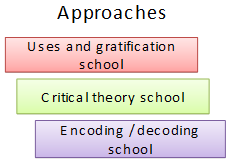
It is generally held that there are three approaches to studying television:
There are three recognizable phases in the history of television research and analyses:
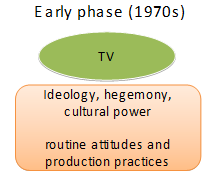
• In the 1970s studies on television hinged around terms like ideology, hegemony, cultural power and also on the routine attitudes and production practices of television staff. The focus was largely on the political economy approach inspired by Marx and Gramsci.
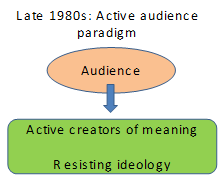
- • The 1980s saw the rise of the active audience paradigm where the focus was on audiences as active creators of meaning. Audiences were seen as creating and recreating meanings of programmes not only in the sense of actively creating meaning but also as actively resisting the ideologies that were being supported by television.
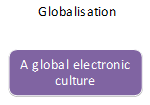
- • Since the 1990s onward the focus of research has also included the study of the global electronic culture. The important issues among others in this phase are related to the high accessibility of television programmes, the proliferation of cable networks and channels, the high segmentation of programmes and of audiences, etc.