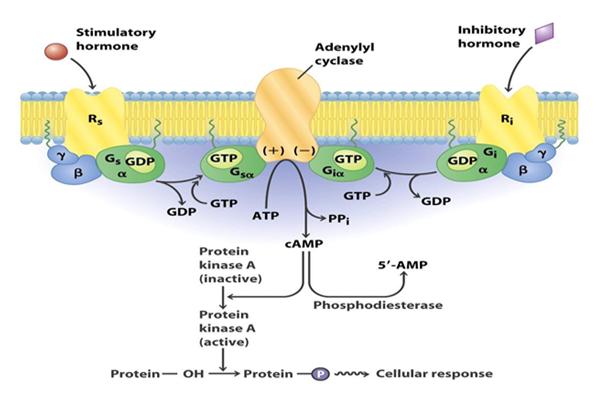
Figure 6: Synthesis and Regulation of cAMP
Synthesis and Degradation of cAMP: cAMP is a cyclic nucleotide which serves as an intracellular and in some cases extracellular secondary messenger. It is derived from adenosine triphosphate (ATP) by adenylyl cyclase located on inner side of plasma membrane and used for intracellular signal transduction in many different organisms, conveying the cAMP-dependent pathway . The elevated cAMP level is regulated by degradation pathway which takes place by cAMP phosphodiesterase enzyme.

Figure 7: Synthesis and degradation of cAMP
Interesting facts:
- Cyclic AMP is synthesized from ATP by the action of the enzyme adenylyl cyclase .
- cAMP decomposition into AMP is catalyzed by the enzyme phosphodiesterase .
- cAMP and its associated kinases function in several biochemical processes, including the regulation of glycogen, sugar, and lipid metabolism.