3. Regulation of Cyclic AMP-inducible gene expression via protein kinase A:
In many animal cells, increase in cAMP activates the transcription of specific target genes that contain a regulatory sequence called the cAMP response element , or CRE . In this case, the signal is passed from the cytoplasm to the nucleus by the catalytic subunit of protein kinase A, which is able to enter the nucleus after its release from the regulatory subunit. Within the nucleus, protein kinase A phosphorylates a transcription factor called CREB (CRE- b inding protein), leading to the activation of cAMP-inducible genes. Thus such type of regulation of gene expression by cAMP plays significant role in controlling proliferation, survival, and differentiation of a wide variety of animal cells.
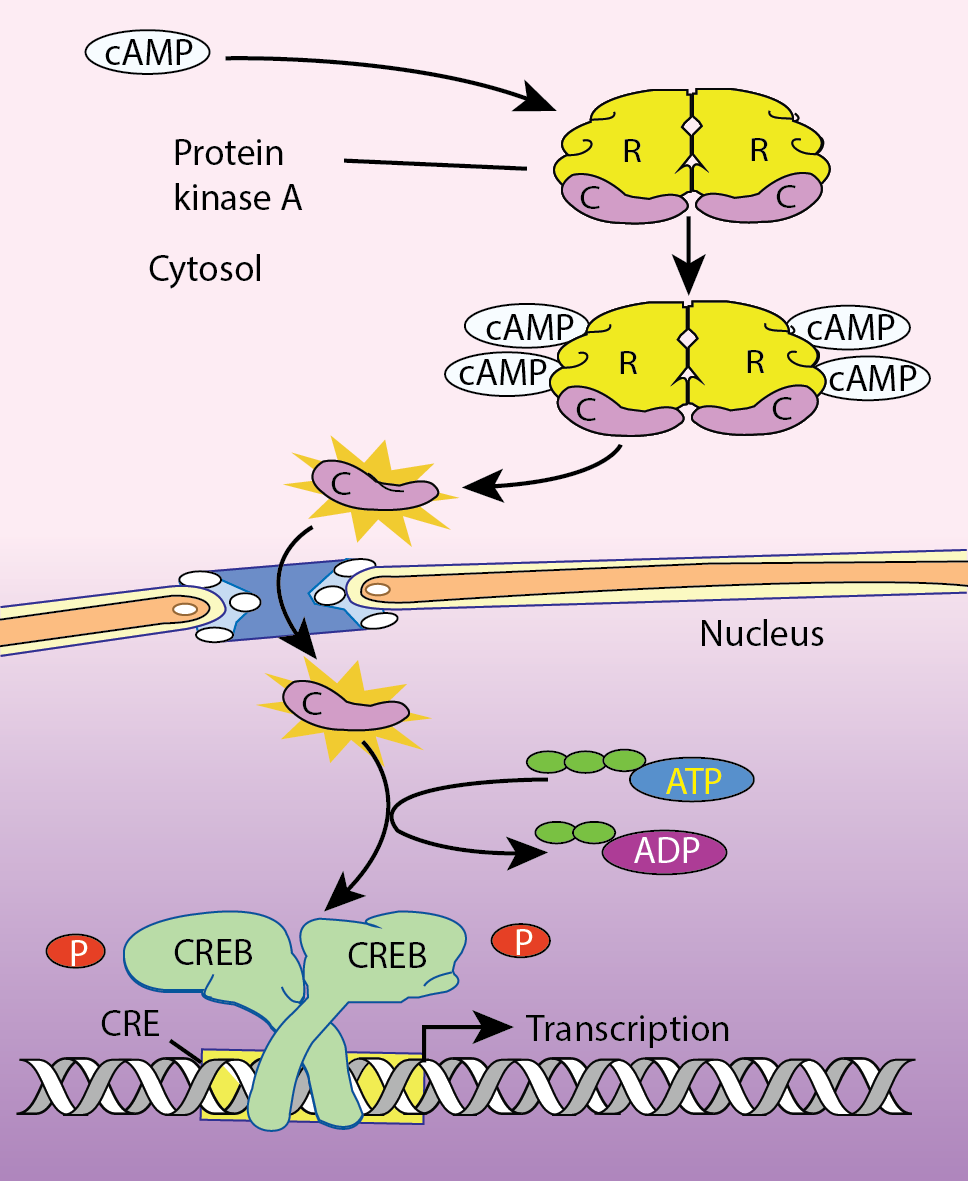
Figure 3: Cyclic AMP inducible gene expression
4. In eukaryotic cells: cAMP and its associated kinases play key role in numerous biochemical processes, including the regulation of glycogen, sugar, and lipid metabolism. There are several minor PKA-independent functions of cAMP like activation of calcium channels, providing a minor pathway by which growth hormone-releasing hormone causes a release of growth hormone. The GEF (guanine nucleotide exchange factor) domain is usually covered by the N-terminal region containing the cAMP binding domain. When cAMP binds, the domain dissociates and exposes the active GEF domain, allowing Epac to activate small Ras-like GTPase proteins, such as Rap1.