Functions of cAMP
1. cAMP as a second messenger: cAMP is a second messenger, used for intracellular signal transduction. It is involved in transmitting signal from outside the cell to the interior via the process of binding of hormones like glucagon and epinephrine or other signal molecules to cell membrane receptor. It is involved in the activation of protein kinases and regulates the effects of adrenaline and glucagon. cAMP also binds to and regulates the function of ion channels such as the HCN channels and a few other cyclic nucleotide-binding proteins such as Epac1.
2. Regulation of protein kinase A by cAMP (Phosphorylation of protein kinase): The most important function of cAMP in animal cell is regulation of protein kinase A activity. Protein kinase A is found primarily in inactive form in the cell in which it consists of two regulatory (R) and two catalytic (C) subunits together. Binding of cAMP to the regulatory subunits induces a conformational change that leads to dissociation of the catalytic subunits, which elicits formation of enzymatically active form of protein kinase A, and are now able to phosphorylate Ser and Thr residues on their target proteins.
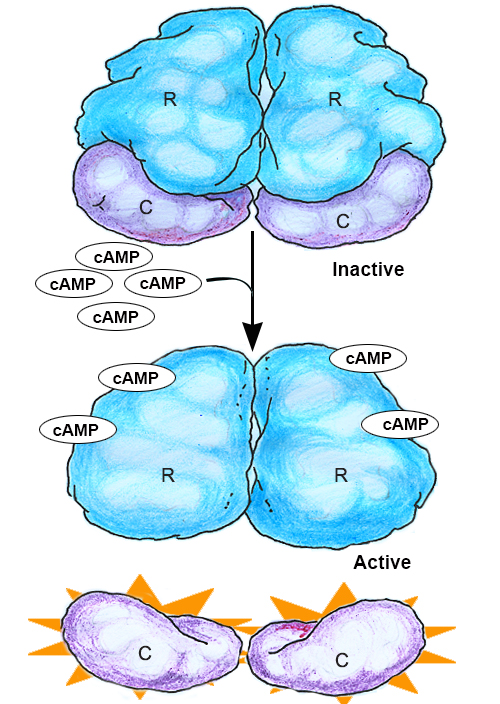
Figure 2: Regulation of protein kinase A