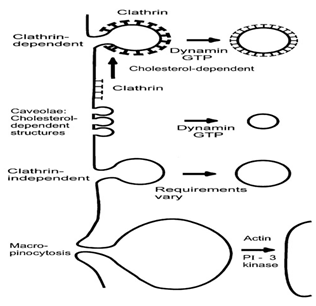
Figure 3: Structures proposed to be involved in endocytosis.
On the other hand, Shiga toxin is endocytosed preferentially by the clathrin-coated pathway, although it is bound to a glycolipid receptor (globotriasylceramide; Gb3).
Bacterial toxin transport using macromolecular syringes:
The pathogens inject their toxins into the cytosol of host cells through bacterial transport machines that function as macromolecular syringes are either bacterial flagella or conjugative pili and facilitate the direct passage of toxin effectors from bacterial donor cells into eukaryotic cells by processes of Type III or Type IV secretion mechanisms or by constructing large pores within the plasma membrane of target cells that function as for direct effectors delivery.
As the first step in cellular entry, AB toxins bind to one or more plasma membrane surface receptors. They incorporate two discrete and essential functional components that vary in physical arrangement but are generally conserved in terms of function. Thus, toxins “A fragments” are the active moiety that can modify intracellular target molecules by one of the enzymatic activities, including ADP-ribosylation, UDP-glucosylation, or proteolysis. Meanwhile, the “B fragments” serve as delivery vehicles for their A components by binding to plasma membrane surface receptors and facilitating translocation of the A components into the cytosol through available portals (Steven et al.,2006).