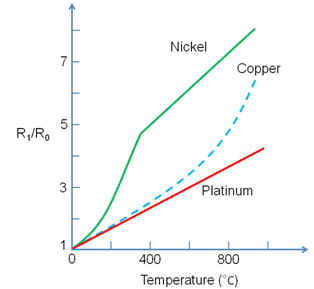
Figure 2.5.2 Behavior of RTD materials [1]
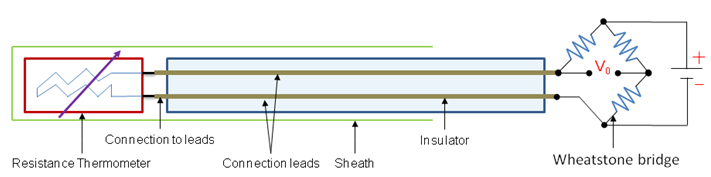
Figure 2.5.3 Construction of a Resistance temperature detector (RTD)
Figure 2.5.3 shows the construction of a RTD. It has a resistor element connected to a Wheatstone bridge. The element and the connection leads are insulated and protected by a sheath. A small amount of current is continuously passing though the coil. As the temperature changes the resistance of the coil changes which is detected at the Wheatstone bridge.
RTDs are used in the form of thin films,wire wound or coil. They are generally made of metals such as platinum, nickel or nickel-copper alloys. Platinum wire held by a high-temperature glass adhesive in a ceramic tube is used to measure the temperature in a metal furnace. Other applications are:
- Air conditioning and refrigeration servicing
- Food Processing
- Stoves and grills
- Textile production
- Plastics processing
- Petrochemical processing
- Micro electronics
- Air, gas and liquid temperature measurement in pipes and tanks
- Exhaust gas temperature measurement