| |
| | |
|
The objectives of ramp metering includes:
- Controlling the number of vehicles that are allowed to enter the freeway,
- Reducing freeway demand, and
- Breaking up of the platoon of vehicles released from an upstream traffic
signal.
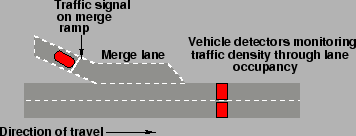
Figure 1 given below is a typical example of ramp metering.
The signal placed at the ramp, controls the traffic flow which can enter the
freeway through merge lane.
Vehicle detectors are also shown at the downstream end of the freeway.
Figure 1:
Schematic diagram of ramp metering
 |
Ramp metering has many positive benefits in freeway management with in
measurable parameters such as reduced delay, reduced travel time, reduced
accident risk and increased operating speed. The typical advantages are:
- Improved System Operation: Ramp metering essentially aims to control the
access to a freeway to reduce congestion, freeway delay and ultimately
overall delay.
Although several ramp metering strategies are available with individual pros
and cons, overall, ramp metering helps to break up platoons of vehicles from
entering a freeway and causing turbulence, reduces delay due to random access
and defers if not eliminates the onset of congestion.
- Improved Safety: Ramp areas are accident prone areas due to unmanaged
merging and diverging. Ramp metering makes merging and diverging operation to a
freeway smooth and controlled, reducing the risk of accidents arising out of
sudden driver decisions.
Random entry of platoons is also prevented which decreases the risk of
accidents at merge or diverge areas.
- Reduced vehicle operating expense and emission: Ramp metering essentially
reduces the number of stops and delays for the freeway as well as the ramps.
This in turn reduces the fuel consumption and emission for a vehicle.
|
|
| | |
|
|
|


