5. Ocean Dumping
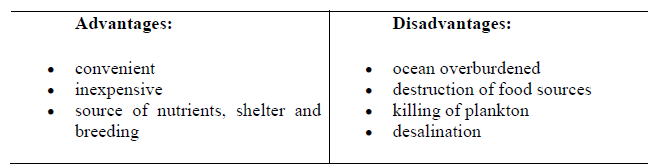
This is the deposition of waste into the water bodies, particularly the ocean. Controversy surrounds ocean dumping as a waste disposal method. Although the waste may provide nutrients for some sea life, it's widely believed that the harmful effects would outweigh any benefits.
6. Open Dumping
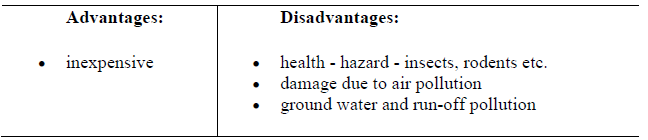
This method involves disposing waste on an open land. As simple as this is, it is not without its own shortcoming.
7. Biological reprocessing
Waste materials that are organic in nature, such as plant material, food scraps, and paper products, can be recycled using biological composting and digestion processes to decompose the organic matter. The resulting organic material is then recycled as mulch or compost for agricultural or landscaping purposes
8. Energy recovery
The energy content of waste products can be harnessed directly by using them as a direct combustion fuel, or indirectly by processing them into another type of fuel. Recycling through thermal treatment ranges from using waste as a fuel source for cooking or heating, to anaerobic digestion and the use of the gas fuel (see above), to fuel for boilers to generate steam and electricity in a turbine.
9. Avoidance and reduction methods
An important method of waste management is the prevention of waste material being created, also known as waste reduction. Methods of avoidance include reuse of secondhand products, repairing broken items instead of buying new, designing products to be refillable or reusable (such as cotton instead of plastic shopping bags), encouraging consumers to avoid using disposable products (such as disposable cutlery), removing any food/liquid remains from cans, packaging, and designing products that use less material to achieve the same purpose (for example, light weighting of beverage cans).
Waste management
Waste management is the collection, transport, processing, recycling or disposal, and monitoring of waste materials. The term usually relates to materials produced by human activity, and is generally undertaken to reduce their effect on health, the environment or aesthetics. Waste management is also carried out to recover resources from it.
Waste management concepts
There are a number of concepts about waste management which vary in their usage between countries or regions. Some of the most general, widely used concepts include:
- Waste hierarchy - The waste hierarchy refers to the "3 Rs" reduce, reuse and recycle, which classify waste management strategies according to their desirability in terms of waste minimization. The waste hierarchy remains the cornerstone of most waste minimization strategies. The aim of the waste hierarchy is to extract the maximum practical benefits from products and to generate the minimum amount of waste.
- Extended producer responsibility - Extended Producer Responsibility (EPR) is a strategy designed to promote the integration of all costs associated with products throughout their life cycle (including end-of-life disposal costs) into the market price of the product. Extended producer responsibility is meant to impose accountability over the entire lifecycle of products and packaging introduced to the market. This means that firms which manufacture, import and/or sell products are required to be responsible for the products after their useful life as well as during manufacture.
- Polluter pays principle – This is a principle where the polluting party pays for the impact caused to the environment. With respect to waste management, this generally refers to the requirement for a waste generator to pay for appropriate disposal of the
waste.