5-1.3.1 Viral vectors as therapeutic agents
Viruses have paved a way into clinical field in order to treat cancer, inherited and infectious diseases. They can be used as vectors to deliver a therapeutic gene into the infected cells. They can be genetically engineered to carry therapeutic gene without having the ability to replicate or cause disease.
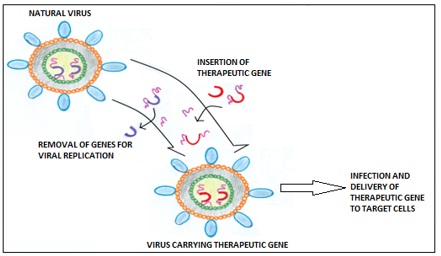
Figure 5-1.3.1: Virus as therapeutic agent.
5-1.3.2 Strategy for engineering a virus into a vector: The strategy for engineering a virus into a vector requires the following-
Helper virus
It contains all the viral genes essential for replication but lack the sequence coding for packaging domain (ψ) making it less probable to be packaged into a virion. It can be delivered as helper virus or can stably integrate into the host chromosomal DNA of packaging cell. Some vectors also possess the helper DNA lacking additional transfer functions to increase safety.
Vector DNA
It contains non-coding cis -acting viral elements, therapeutic gene sequences (up to 28–32 kb) and the normal packaging recognition signal allowing the selective packaging and release from cells. Some vectors comprise relatively inactivated viral genes as a wide type infection due to lack of other viral genes. The viral proteins essential for replication of the vector DNA are produced which then synthesize multiple copies of the vector genome (DNA or RNA, depending upon the type of vector). These structural proteins recognize the vector (psi plus) but not the helper (psi negative) nucleic acid resulting in the packaging of the vector genome into viral particles.