Signal transduction pathways act similar to molecular circuit. This pathway depends on following factors during transformation of signal from extracellular environment to intracellular.
1. Signal reception by cell membrane receptor: Some non polar signaling molecules such as estrogens and other steroid hormones are able to cross the bilipid membrane and hence make entry inside the cell. Once inside the cell, these molecules can bind to proteins that interact directly with DNA and involve in regulation of gene transcription. Thus, a chemical signal enters the cell and directly alters gene-expression patterns. However, most of signalling molecules are too large and too polar so they are unable to cross the membrane, hence there is no appropriate transport system. In this case these signaling molecules transmit signals through cell surface receptor protein without crossing the cell membrane. We will discuss about cell receptors in upcoming lecture notes.
These receptors are intrinsic membrane protein which consist both extracellular and intracellular domain. A binding site present in extracellular domain specifically recognizes the signaling molecule (i.e. well known as ligand). Such binding sites are analogous to enzyme active sites except that no catalysis takes place within them. When these signal molecules comes and bind to binding site on receptor protein in extracellular region then some conformational change occurs in tertiary and quaternary structure of the receptor which results in the drastic change in the intracellular domain of the receptor. These structural changes are not sufficient to yield an appropriate response, because they are restricted to a small number of receptor molecules in the cell membrane. The information embodied by the presence of the ligand, often called the primary messenger, must be transduced into other forms that can alter the biochemistry of the cell.
2. Second messengers: Second messengers act as the intermediate molecule that relay signals from receptors on cell surface to target molecule inside cells, in cytoplasm or nucleus.
The use of second messengers has several consequences:
a) The second messengers are able to diffuse frequently into other compartment of the cell such as nucleus where they can influence gene expression and other process.
b) Generation of second messengers leads to amplification of signal. Each signaling molecule is involved in the generation of several second messengers in the cell. Thus, a low concentration of signal in the environment, even as little as a single molecule, can yield a large intracellular signal and response
c) Since common second messengers generate in different signaling pathway, thus the coordination of signal transduction is driven by interaction between these pathways. Multiple signaling pathways create both opportunities and potential problems. Interactions between signaling pathways enables the cell to process and interpret multiple inputs differently in different contexts leading to cross-talk. Cross talk between second messengers cause oscillation of various second messengers and also creates biostability between two steady states. Thus cross talk more precisely involves in regulation of cell activity than individual independent pathways without cross talk. However, inappropriate cross-talk can cause second messengers to be misinterpreted.
3. Protein phosphorylation: Protein phosphorylation is most common route for transferring information coming through second messenger which involve elicit responses by activating protein kinases. Protein phosphorylation is a post-translational modification of proteins by phosphorylation at serine, threonine or tyrosine residues by a protein kinase by the addition of a covalently bound phosphate group from ATP.
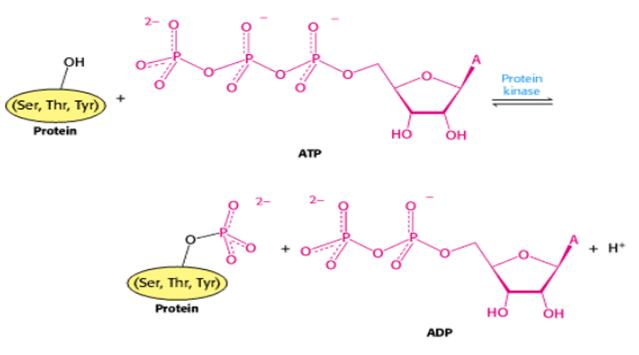
Figure 5: Action of cAMP-dependent protein kinase