Virus: A virus is a small infectious agent that can replicate only inside the living cells of organisms. Viruses infect all types of organisms, from animals and plants to bacteria and archaea. Their genetic material is DNA or RNA.
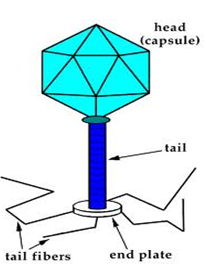
Figure 5: Virus
Red Blood Cells: Red blood cells are the most common type of blood cell and the vertebrate organism's principal means of delivering oxygen (O2) to the body. They lack organelles like nuleus and mitochondria unlike typical eukaryotic cells.
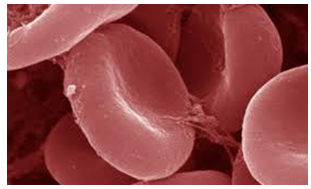
Figure 6: Red blood cell.
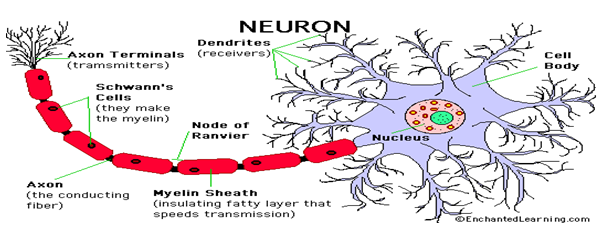
Figure 7: Nerve cell
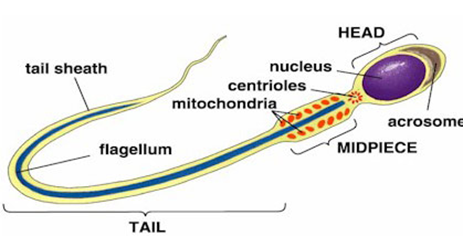
Figure 8: Human sperm cell
Interesting Facts: (Lecture 1 and 2 )
1. There are anywhere from 75 to 100 trillion cells in the human body.
2. There are more bacterial cells in the body than human cells.
3. Thiomargarita namibiensis is the largest bacterium ever discovered, found in the ocean
sediments of the continental shelf of Namibia and can be seen through the naked eye.
4. An unfertilized Ostrich egg is the largest single cell.
5. The smallest cell is a type of bacteria known as mycoplasma. Its diameter is 0.001 mm.
6. The Longest Cell in your body is the motor neuron cell, which is located in the spinal
cord, near the central nervous system.