In this chapter we will learn how similar and different are plant and animal cells.
Plant cells are eukaryotic cells that differ in several key aspects from the cells of other eukaryotic organisms. Their distinctive features include the following organelles:
1. Vacuole: It is present at the centre and is water-filled volume enclosed by a membrane known as the tonoplast. The function is to maintain the cell's turgor, pressure by controlling movement of molecules between the cytosol and sap, stores useful material and digests waste proteins and organelles.
2. Cell Wall: It is the extracellular structure surrounding plasma membrane. The cell wall is composed of cellulose, hemicellulose, pectin and in many cases lignin, is secreted by the protoplast on the outside of the cell membrane. This contrasts with the cell walls of fungi (which are made of chitin), and of bacteria, which are made of peptidoglycan. An important function of the cell wall is that it controls turgity. The cell wall is divided into the primary cell wall and the secondary cell wall. The Primary cell wall: extremely elastic and the secondary cell wall forms around primary cell wall after growth are complete.
3. Plasmodesmata: Pores in the primary cell wall through which the plasmalemma and endoplasmic reticulum of adjacent cells are continuous.
4. Plastids: The plastids are chloroplasts, which contain chlorophyll and the biochemical systems for light harvesting and photosynthesis. A typical plant cell (e.g., in the palisade layer of a leaf) might contain as many as 50 chloroplasts. The other plastids are amyloplasts specialized for starch storage, elaioplasts specialized for fat storage, and chromoplasts specialized for synthesis and storage of pigments. As in mitochondria, which have a genome encoding 37 genes, plastids have their own genomes of about 100–120 unique genes and, it is presumed, arose as prokaryotic endosymbionts living in the cells of an early eukaryotic ancestor of the land plants and algae.
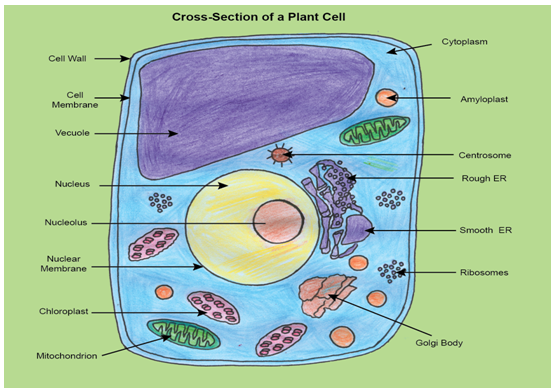
Figure 1: Schematic representation of a plant cell.