5. Pressure Regulation
The pressure regulation is the process of reduction of high source pressure to a lower working pressure suitable for the application. It is an attempt to maintain the outlet pressure within acceptable limits. The pressure regulation is performed by using pressure regulator. The primary function of a pressure regulator is to match the fluid flow with demand. At the same time, the regulator must maintain the outlet pressure within certain acceptable limits.
The schematic of pressure regulator and various valves placement is shown in figure 5.1.6. When the valve V1 is closed and V2 is opened then the load moves down and fluid returns to the tank but the pump is dead ended and it leads to a continuous increase in pressure at pump delivery. Finally, it may lead to permanent failure of the pump. Therefore some method is needed to keep the delivery pressure P1 within the safe level. It can be achieved by placing pressure regulating valve V3 as shown in figure 5.1.6. This valve is closed in normal conditions and when the pressure exceeds a certain limit, it opens and fluid from pump outlet returns to the tank via pressure regulating valve V3. As the pressure falls in a limiting range the valve V3 closes again.
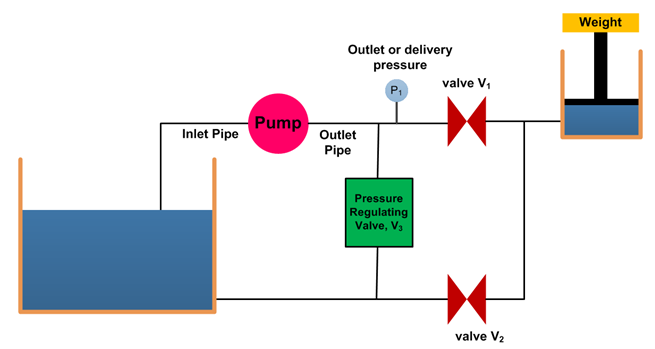
Figure 5.1.6 Schematic of pressure regulation
When valve V1 is closed, the whole fluid is dumped back to the tank through the pressure regulating valve. This leads to the substantial loss of power because the fluid is circulating from tank to pump and then pump to tank without performing any useful work. This may lead to increase in fluid temperature because the energy input into fluid leads to the increase in fluid temperature. This may need to the installation of heat exchanger in to the storage tank to extract the excess heat. Interestingly, the motor power consumption is more in such condition because the outlet pressure is higher than the working pressure.