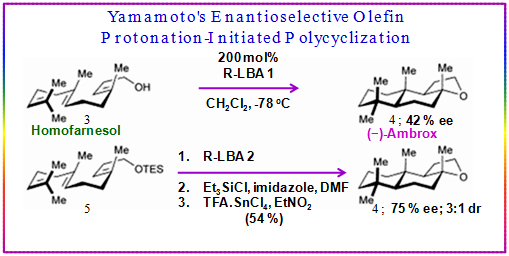
Figure 3.53: Yamamoto’s biomimetic synthesis of (−)-ambrox using LBA.
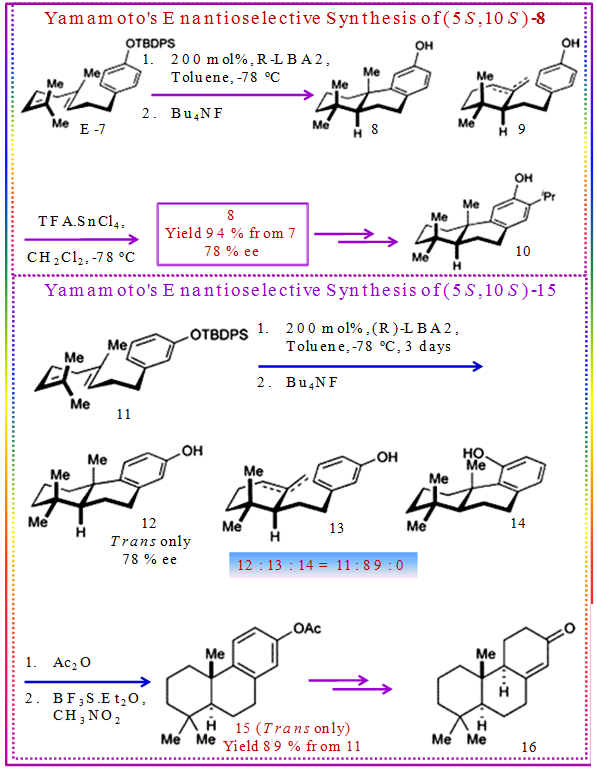
Figure 3.54: Yamamoto’s biomimetic polyene cyclizations using LBA.
3.13.2.5.4. Polyenes Cyclization Based on Radical Transformations
The speculation of Breslow in 1962 was made possible to explore radical mediated synthesis of sterol from squalene. He thought that the enzyme may exert conformational control to promote the radical cyclization in the biosynthetic pathway of sterols from squalene though squalene would not cyclize in the presence of hydroxyl radical. However, the radical pathway has not been exploited successfully in several polycarbocyclizations. Breslow clearly stated in his model study their findings may be of limited interest, but it became the foundation for the remarkable transformations and establish that carbenium ions are not necessary intermediates for diastereoselective carbocyclizations in the stereocontrolled formation of terpene frameworks.
Breslow in his model study used a CuCl-catalyzed thermal decomposition to benzoyloxy radicals with cupric benzoate as an added terminator. This protocol afforded the cyclized product in 20-30% yield (Figure 3.55A). The relative stereochemistry of 2 reflects that of a-onocerin (3), a product of the enzymatic cyclization of squalene.