2.1.6. Manipulation of Biological Activity with Small Molecule:
In the postgenomic era it is major challenge to determine how proteins function together in complex molecular systems to drive a diverse set of cellular processes. Molecularly focused technologies that can probe and manipulate protein function in a controlled manner can manage this great job. Chemical Biology at its position at the interface between chemistry and biology can provide a unique platform for the development of such a molecular toolkit.
Due to the fundamental importance of transcriptional regulation in biological systems, small-molecule mimetic that promote exogenous control over transcription represent extremely valuable tools. Such study was reported by Jin Zhang et al., andHelen E. Blackwell et al.
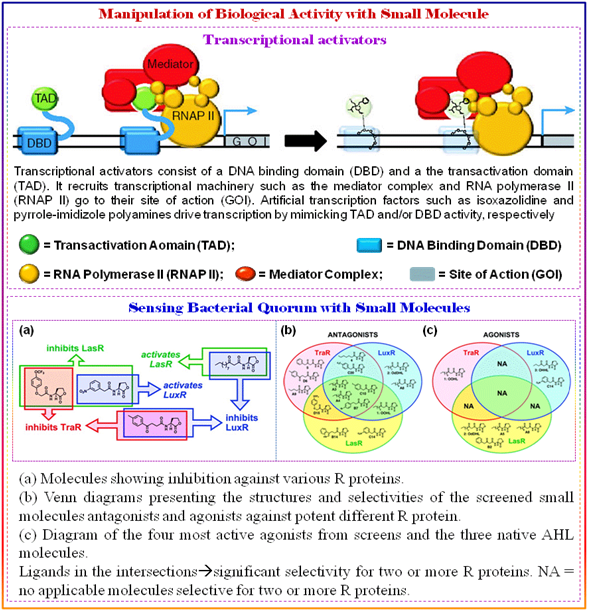
Figure 2.5: Manipulation of biological activity with small molecules.
2.1.7. Recent Advancement and Future Prospect of Chemical Biology:
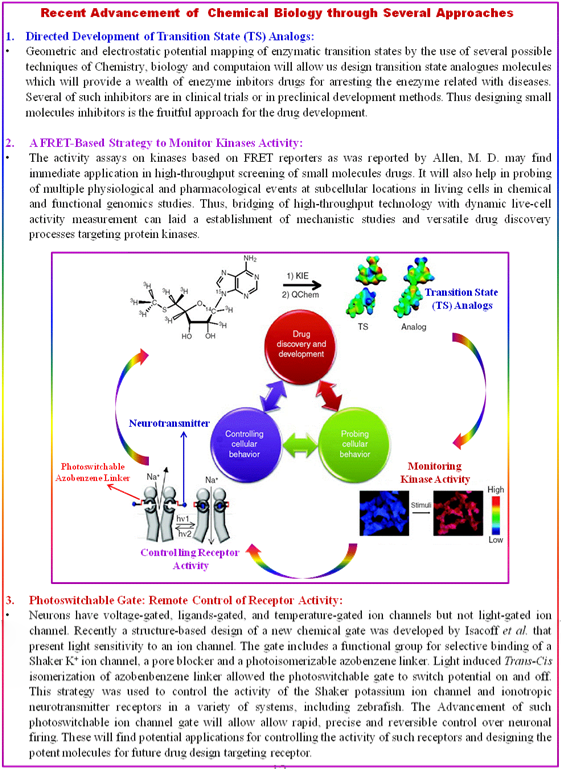
Figure 2.6: Recent advancement of chemical biology.
The studies reported till the date accentuate the great impact of chemical biology to the study and modulate the biology and future scope of research at the interface of chemistry and biology.
Exploring the many existing small biological compounds and designing several enzyme inhibitors will also provide essential mechanistic probes and new candidates for drug discovery. Thus, many of such molecules showed and will continue to show the capability of targeting to an entire proteome. Also, the development of robust chemical/bio-chemical tools to probe and to investigate cellular principles at molecular levels will be of great achievement toward the success of conceptual approach, the Chemical Biology and thus, will facilitate the development of new therapeutics for treatment of diseases.