2.1.5. Goal of Chemical Biology
- In the postgenomic era it is major challenge to determine how proteins function together in complex molecular systems to drive a diverse set of cellular processes. Molecularly focused technologies that can probe and manipulate protein function in a controlled manner can manage this great job. Chemical Biology at its position at the interface between chemistry and biology can provide a unique platform for the development of such a molecular toolkit.
- Chemical Biology research is diverse. Main goal of Chemical Biology is to synthesize molecules that can be used as tools to selectively and reversibly modulate proteins.
- The synthesis of molecules to study extra- and intracellular signaling is another aim of Chemical Biology as well as some aspects of Glycobiology which is concerned with the study of different types of sugar molecules in the cell. In Chemical Biology studies, synthetic variations of sugar molecules can be used as tools for research.
- Another important branch of Chemical Biology uses endogenous biomolecules to develop chemical processes and/or materials.
- Research in the field is often concerned with the understanding of biological functions in the healthy individual as well as of the pathological mechanisms related to disease conditions including cancer, neurodegenerative disorders, renal and pulmonary dysfunctions and metabolic disorders.
- The field is therefore important for the generation of knowledge and tools for basic science as well as for the study of disease mechanisms. For many diseases, it is also important for the production of countermeasures and preventive actions.
- Small Molecule Approach: Building of library of bioactive small molecules is an example of Chemical Biology research. Recent research of small molecule approach to Chemical Biology includes:
- The study of the different subtypes of Adenosine receptors reported by Jacobson et al., and their agonists and antagonists (activators and blockers).
- Adenosine receptors are known or suspected to be involved in multiple diseases and conditions including Inflammation, Endocrine disorders, Cancer, Vision disorders, Renal disorders, Pulmonary disorders, Dementia, Anxiety, Pain, Parkinson’s disease, Sleep disorders and Ischaemia. It is therefore clear that molecular tools to reversibly and selectively manipulate the functions of different subtypes of receptors involved in the conditions may have the potential to become useful tools in the research and also in some cases useful therapeutics.
- Research also emphasized on the manipulation of receptors and reengineer the binding sites on the receptors is the target of chemical biologists. This type of approach could lead to insights into the accuracy of G-protein coupled receptor modeling, signaling pathways, and not least, the design of small molecules to be able to rescue disease-related mutations and do small-molecule directed gene therapy.
- The combination of tailoring of small molecules and their protein targets is therefore of special interest.
- Naturally occurring small molecules called natural products or their derivatives encampus a substantial fraction of the current pharmacopeia. Understanding the relationship of protein targets of natural products to heritable disease genes by comparing the biological functional connections between genes and gene products, e.g., protein/protein interactions (network connectivities) of these targets and genes will lead to the drug discovery for disease treatment at protein level. By determining whether natural products are intrinsically suited for targeting disease genes and whether their enrichment among current drugs reflects a historical focus or special properties intrinsic to these molecules. Prof. Stuart L. Schreiber is working in a data-driven way, to discover whether or not the propensity of natural products for interaction with biological targets is an advantage for probe or drug discovery directed at the genes determined to be causal for human disease.
- They are successful in identifying natural product targets and evaluating a database of natural products and targets from GVKBio. They have standardized 5581 target names and species to human proteins, as either direct natural product targets or orthologous human target proteins, and mapped these targets to 946 human proteins with connections in STRING. For human disease genes, they combined 3655 genes contained in the OMIM Morbid Map with 1580 genes from a genome-wide association study SNP database and mapped these to 2681 human proteins with connections in STRING.
- Schreiber’s results indicate that targets of natural products are highly connected, more than genes connected to human disease. This finding indicates that targeting at protein level is much more beneficial than at gene level for diagnostic.
- Many natural products act as basic defense mechanisms against invaders in the absence of tissue specialization or an advanced immune response leading to the death of the invading organism. Therefore, the highly connected proteins can be targeted by natural products which will interrupt the activities of essential protein of the invader. Therefore the ultimate goal of chemical biology remains in the development of library of small natural molecules to target the root cause of the diseases and thus the treatment of all the heritable diseases can better way be done.
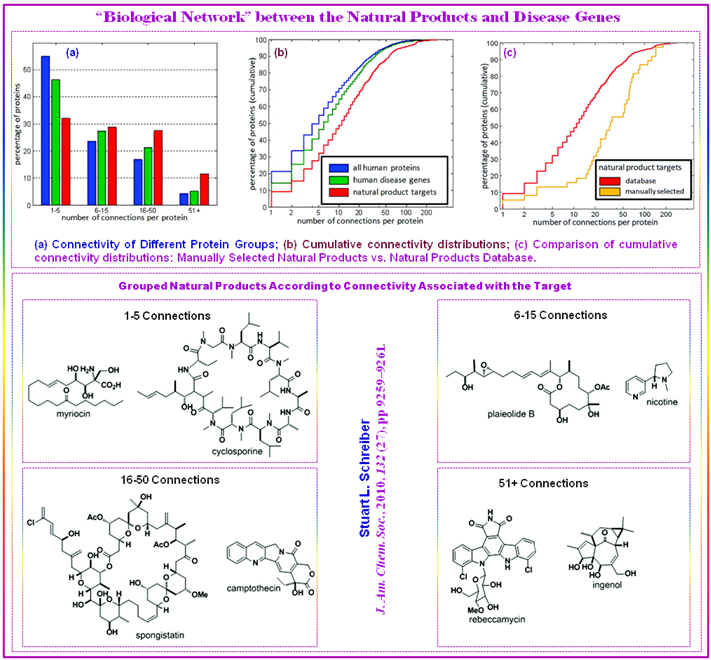
Figure 2.4: The small molecular approach of Chemical biology.