Calcium Phosphate method- In this method, DNA is mixed with calcium chloride in phosphate buffer and incubated for 20mins. Afterwards, transfection mixture is added to the plate in dropwise fashion. DNA-calcium phosphate complex forms a precipitate and deposit on the cells as a uniform layer. The particulate matter is taken up by endocytosis into the internal storage of the cell. The DNA is then escapes from the precipitate and reach to nucleus through a unknown mechanism. This method suited to the cell growing in monolayer or in suspension but not for cells growing in clumps. But the technique is inconsistent and the successful transfection depends on DNA-phosphate complex particle size and which is very difficult to control.
Polyplexes method- The disadvantage of calcium phosphate method is severe physical damage to the cellular integrity due to particulate matter settling on the cell. It results in reduced cellular viability and cyto-toxicity to the cell. An alternate method was evolved where DNA was complexed with chemical agent to form soluble precipitate (polyplexes) through electrostatic interaction with DNA (Figure 21.2). A number of polycationic carbohydrate (DEAE-Dextran), positively charged cationic lipids (transfectin), polyamines (polyethylenimines) etc are used for this purpose. The soluble aggregates of DNA with polycationic complex is readily been taken up by the cell and it reaches to the nucleus for expression (Figure 21.3).
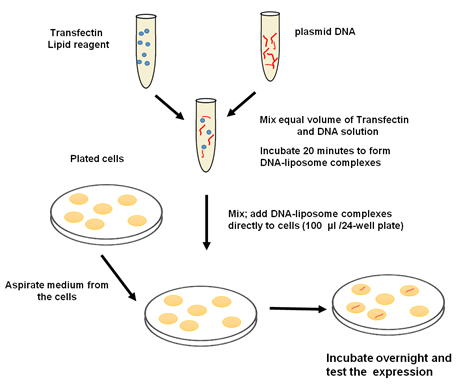
Figure 21.2: Transfection of animal cell with tranfectin (polyplexes)