In homolactic acid fermentation, both molecules of pyruvate are converted to lactate. Homolactic acid fermentation is unique because it is one of the only respiration processes to not produce a gas as a byproduct.
- • Homolactic fermentation breaks down the pyruvate into lactate. It occurs in the muscles of animals when they need energy faster than the blood can supply oxygen.
• It also occurs in some kinds of bacteria (such as lactobacilli) and some fungi. It is this type of bacteria that converts lactose into lactic acid in yogurt, giving it its sour taste. These lactic acid bacteria can be classed as homofermentative, where the end-product is mostly lactate, or heterofermentative, where some lactate is further metabolized and results in carbon dioxide, acetate, or other metabolic products.
C6H12O6 -----→ 2CH3CHOHCOOH.
or one molecule of lactose and one molecule of water make four molecules of lactate (as in some yogurts and cheeses):
C12H22O11+H2O ----→ 4CH3CHOHCOOH.
In heterolactic fermentation, the reaction proceeds as follows, with one molecule of glucose being converted to one molecule of lactic acid, one molecule of ethanol, and one molecule of carbon dioxide:
C6H 12O6 -------→ CH3CHOHCOOH + C2H5OH + CO2
Before lactic acid fermentation can occur, the molecule of glucose must be split into two molecules of pyruvate. This process is called glycolysis.
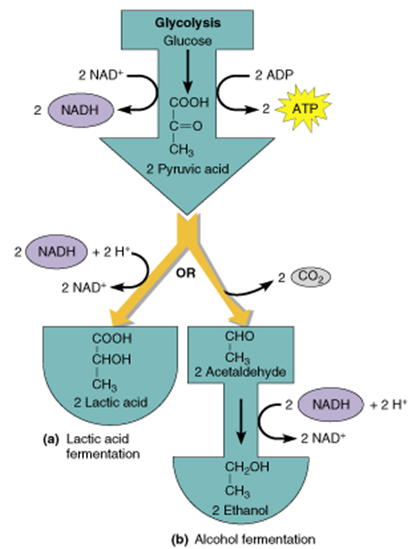
Fig. 10. Fate of pyruvate in Fermentation