Peptide hormones cannot pass through the plasma membrane of the cell. So the receptors for these hormones have to be on the plasma membranes of the peptide hormone sensitive cells. When contacted by hormone, these receptors activate a second messenger system i.e. a cascade of internal chemical signals that culminate in the secretion of the hormone into the bloodstream. These messengers enter the nucleus and influence gene expression as shown in Figure 4.
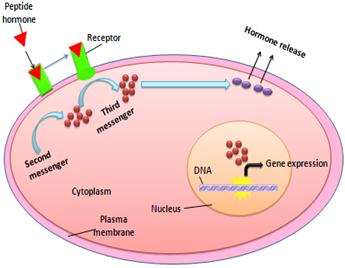
Figure 4: Peptide hormone regulation in vertebrates
2. Steroid hormone: Steroid hormones are derived from cholesterol and eicosanoids. They are lipid soluble. Examples of steroid hormones are testosterone and cortisol. The gonads and the adrenal cortex are the primary sources of steroid hormones. Examples of eicosanoids are prostaglandins.
Steroid hormones being lipid soluble can diffuse through the plasma membrane of the cell very easily. The steroid hormone binds to its receptor in the cytoplasm and the activated hormone-receptor complex enters the nucleus influencing gene expression as shown in Figure 5.
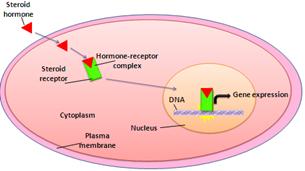
Figure 5: Steroid hormone regulation in vertebrates