When constructing dams, cross drainage structures, it is necessary to predict the water levels for which these structures are to be constructed. Predicting the design forces that are going to act on these structures is a complex problem. Rainfall forecasting is one area where most of the things are uncertain and without having sound knowledge in the probability concepts this process cannot be carried out. Fig.1.5 shows the daily rainfall data over a one year period and from this figure it can be said that there is a lot of variability in the data.
For example, a dam is to be designed to safely retain the water in a reservoir. As shown in Fig. 1.6, let H be the maximum water level in the reservoir in a generic year, and F is the associated horizontal force acting on a 1 meter length of the dam.
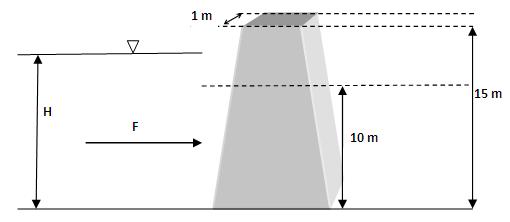
Figure 1.6: Schematic diagram of the forces acting on the dam
Assuming that F and H are related to each other and by taking a suitable probability distribution for H (range of values taken by H is shown in fig. 1.7), it is necessary to evaluate the design value of the horizontal force acting on the dam. Similarly, the runoff data of river have lot of variability (Figure 1.8) and the understanding of this variability is utmost important in designing the cross drainage structures.
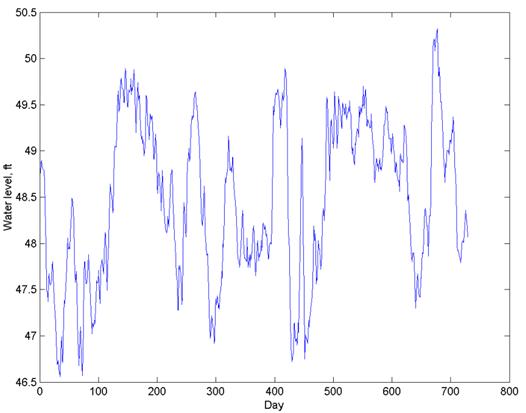
Figure 1.7: Water levels in Parker dam, California
Same is the problem when dealing with the problems in environmental engineering. To test the amount of bacteria, E-coli, metals etc, present in the water require thorough testing. These quantities may vary across geometries and this variation depends on several unknown factors. It is necessary to fix the number of tests that are to be conducted to evaluate the water quality.
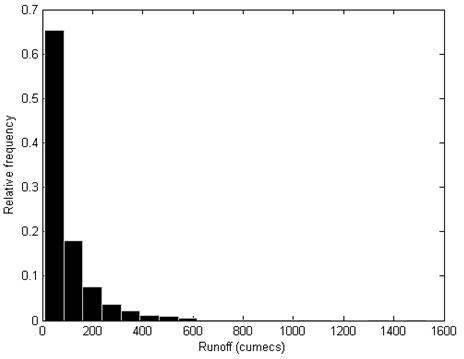
Figure 1.8: Relative frequency histogram of the runoff data observed in a river