4.10.4. How the Antibody-Drug Conjugate Works?
The antibody guides the ADC to target tumor cells, where it binds to cell surface antigens. The ADC is then (internalized) taken into the cancer cell and the active drug is released into the target cancer cell and perform its cell-killing function.
- An ADC comprises of an antibody linked to a cytotoxic drug via a linker (2–8 drugs).
- The ADC is delivered intravenously and localizes to target tumour cells by binding to tumour specific antigens.
- Internalization of the ADC.
- Proteases and hydrolases digest the antibody and linker to release free drug.
- The drug then binds to its molecular target, leading to apoptosis.
The following steps are involved in the generalized mechanism of action of antibody-drug conjugates (ADCs) (Figure 14):
- The ADC binds to the antigen (which is found on the surface of cells but is over-expressed in cancerous cells) on the target cell.
- The antigen-ADC complex is internalized through receptor-mediated endocytosis and, in most cases, is transported from early endosomes to lysosomes.
- In the lysosome, internal conditions may destabilize the linker or mAb backbone, causing the cytotoxic component to dissociate. Sometimes, the linker can be cleaved by enzymes called cathepsins, which are active at low pH, only available in the lysosome of the cell. This ensures that the drug is released inside the cancerous cell and the drug circulates freely in the cytoplasm with minimal toxicity to surrounding tissue.
- Most cytotoxic components of current ADCs either bind to the minor groove of DNA and induce strand breakage or bind to tubulin, resulting in microtubule disruption (e) .
- Finally, both the processes lead to apoptosis.
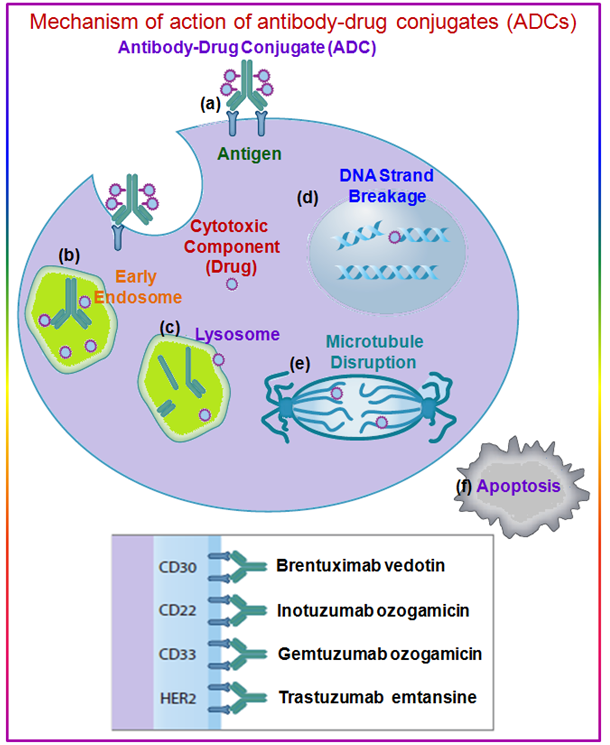
Figure 14. Mechanism of action of antibody-drug conjugates.
Internalization of antibody–drug conjugates: To regain their cytotoxic activity, the cytotoxic agent has to be cleaved from the chemo-immunoconjugate. Uptake of antibodies predominantly occurs via the clathrin-mediated endocytosis pathway. After binding the respective antigen associated with coated pits, antibody– drug conjugates will be readily endocytosed, from where they transit through several stages of transport and endosomal vesicles and finally end up in a lysosome. There, linkers and antibody will be cleaved releasing the cytotoxic agent which — after exit from the lysosomal compartment — exerts its cytotoxic effect (Figure 15) .
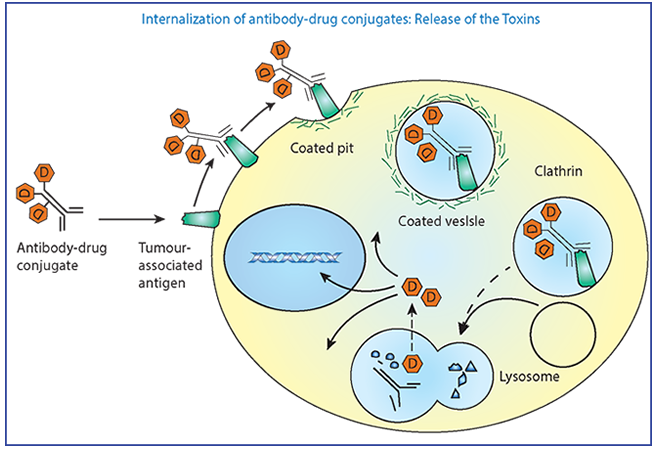
Figure 15. Internalization of antibody–drug conjugates.
4.10.5. Advantages of ADC
Antibody drug conjugates discriminate between diseased and normal tissue. Advances in coupling antibodies to cytotoxic agents allow control over drug pharmacokinetics and significantly improve delivery of a cytotoxic agent to cancer cells.
The main advantages of the ADC Technology includes:
- A highly targeted therapy, delivering extremely potent drugs
- Broad therapeutic window with efficacy at low doses
- Reduction of classic chemotherapy side-effects
- Active in more than one cancer disease class
- Addresses an unmet need in cancer therapy