An Ignitable waste is a liquid that can create a fire or spontaneously combust at temperatures less than 60°C or 140°F. Examples: ethyl ether, xylene, oxidizers |
A Reactive waste is a liquid that tends to be unstable at normal temperatures and pressures. It may react violently with water, air, and other materials. Examples: sodium, potassium, peroxides |
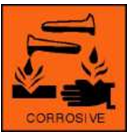
A Corrosive waste is a liquid with a pH less than or equal to 2 or a pH greater than or equal to 12.5. Examples: hydrochloric acid, glacial acetic acid
|
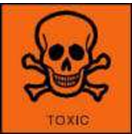
A Toxic waste is a material that can be harmful or fatal if you are exposed and can pollute groundwater if released on land. Toxic wastes are listed by EPA. Examples: lead-based paints, cadmium, arsenic
|
Household and Universal Hazardous Wastes
- Are special category of hazardous wastes that (in the U.S.):
- Generally pose a lower threat relative to other hazardous wastes
- Are ubiquitous and produced in very large quantities by a large number of generators.
Examples of Household and Universal Hazardous Wastes
- Paints and solvents
- Automotive wastes (used motor oil, antifreeze, etc.)
- Pesticides (insecticides, herbicides, fungicides, etc.)
- Mercury-containing wastes (thermometers, switches, fluorescent lighting, etc.)
- Electronics (computers, televisions, cell phones)
- Aerosols / Propane cylinders
- Caustics / Cleaning agents
- Refrigerant-containing appliances
- Some specialty Batteries (e.g. lithium, nickel cadmium, or button cell batteries)
- Ammunition
- Radioactive waste (some home smoke detectors are classified as radioactive waste because they contain very small amounts of a radioactive isotope of americium - see: Disposing of Smoke Detectors).