Sources of Pollutants
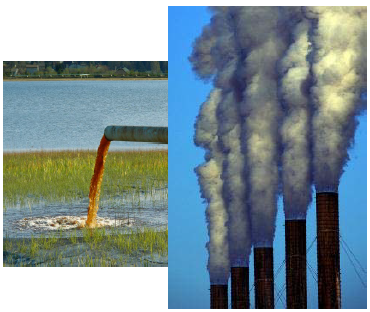
1) Point source
- Direct |
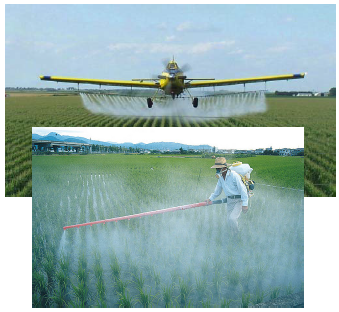
2) Non-point source
- Indirect |
What is nonpoint source pollution?
Nonpoint source (NPS) pollution, unlike pollution from industrial and sewage treatment plants, comes from many diffuse sources. NPS pollution is caused by rainfall or snowmelt moving over and through the ground. As the runoff moves, it picks up and carries away natural and human-made pollutants, finally depositing them into lakes, rivers, wetlands, coastal waters, and even our underground sources of drinking water.
These pollutants include:
•
Excess fertilizers, herbicides, and insecticides from agricultural lands and residential areas;
•
Oil, grease, and toxic chemicals from urban runoff and energy production;
•
Sediment from improperly managed construction sites, crop and forest lands, and eroding streambanks;
•
Salt from irrigation practices and acid drainage from abandoned mines;
•
Bacteria and nutrients from livestock, pet wastes, and faulty septicsystems;
Atmospheric deposition and hydromodification are also sources of nonpoint source pollution.
In contrast, pollution from point sources comes in large amounts from a single source, such as an industrial operation or a wastewater treatment plant.
Biological Effects of Pollutants
Bioaccumulation
- accumulation of pollutants in an organism over its life span
- can occur whenever the half-life of the pollutant is greater than the life span of the organism
- seen at all levels of a food chain with continual exposure to a chemical
Examples: atrazine in amphibians, most chemical exposure in humans
Biomagnification
- accumulation of pesticides across trophic levels (up a food chain)
- observed mostly in top predators
Examples: lead in California Condors, mercury in billfish, rodent killer in coyotes and mountain lions
Bioaccumulation of heavy metals in humans
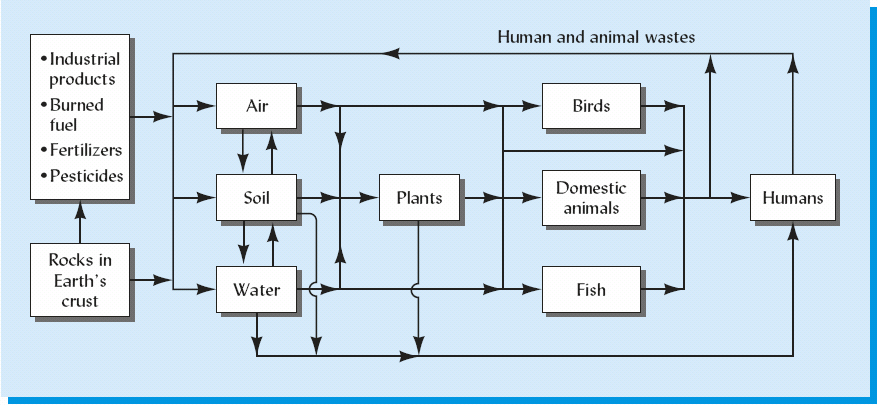 Sources of heavy metals and their cycling in the soil–water–air–organism ecosystem. It should be noted that the content of metals in tissue generally builds up from left to right, indicating the vulnerability of humans to heavy metal toxicity.