Chemical Degradation Methods for Wastes and Pollutants
Ozone–UV Radiation–Hydrogen Peroxide Oxidation Technologies:
Processes involving the use of ozone, UV radiation, and hydrogen peroxide, characterized by the generation of short-lived chemical species of high oxidation power, mainly the hydroxyl radical, are classified as advanced oxidation technologies (AOTs).
In addition, these AOTs, particularly ozonation, can be used to enhance the efficiency of other processes such as Fe–Mn removal, flocculation–coagulation–sedimentation, biological oxidation, or biological degradation of organic carbon in granular activated carbon.
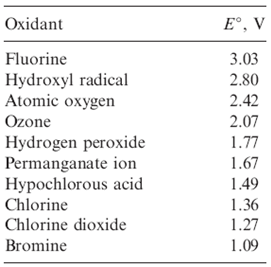
Ozonation
Because of this reactivity, the ozone molecule is able to react through two different mechanisms called direct and indirect ozonation.
Ozone can directly react with the organic matter through 1,3 dipolar cycloaddition, electrophilic and, rarely, nucleophilic reactions.
In water, only the former two reactions have been identified with many organics. On the contrary, the nucleophilic reaction has been proposed in only a few cases in non-aqueous systems.
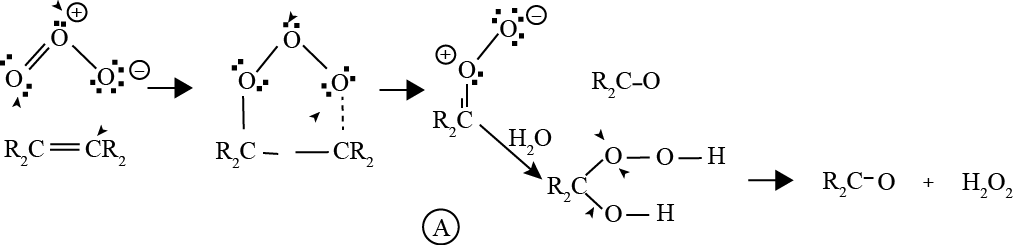
Criegge mechanism
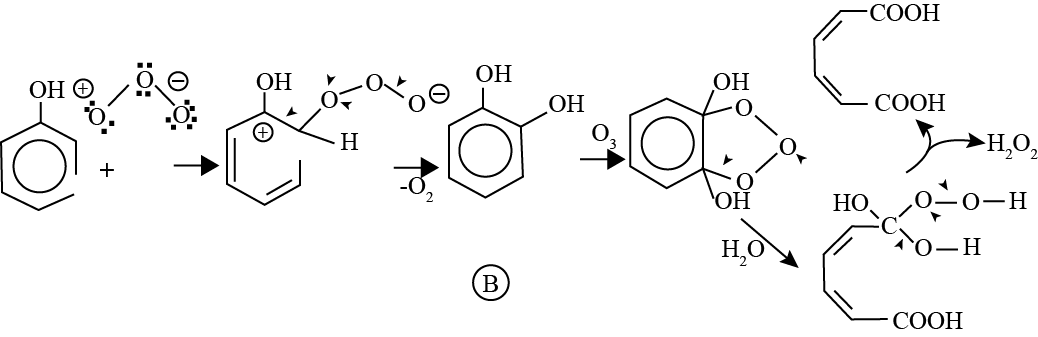
Electrophilic aromatic substitution and 1,3-dipolar cycloaddition
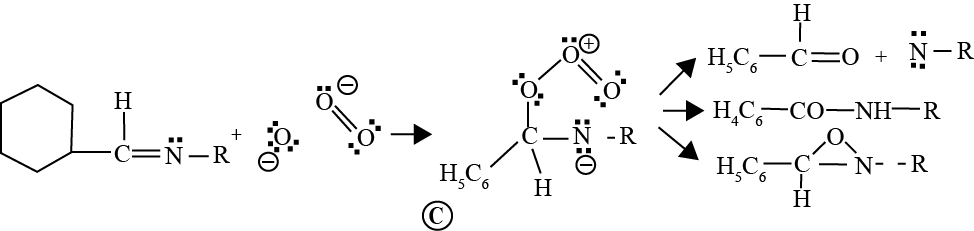
Nucleophilic substitution