How Acid Rain Affects The Environment
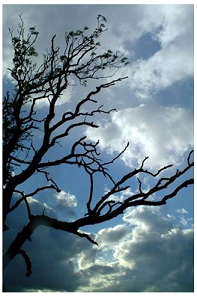
Acid rain is an extremely destructive form of pollution, and the environment suffers from its effects. Forests, trees, lakes, animals, and plants suffer from acid rain. The needles and leaves of the trees turn brown and fall off. Trees can also suffer from stunted growth; and have damaged bark and leaves, which makes them vulnerable to weather, disease, and insects. |
 |
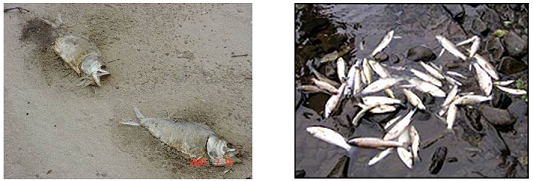
Lakes are also damaged by acid rain. Fish die off, and that removes the main source of food for birds. Acid rain can even kill fish before they are born when the eggs are laid and come into contact with the acid.
Fish usually die only when the acid level of a lake is high; when the acid level is lower, they can become sick, suffer stunted growth, or lose their ability to reproduce.
Also, birds can die from eating "toxic" fish and insects.
The combination of these effects can lead to plants that have reduced growth rates, flowering ability and yields. It also makes plants more vulnerable to diseases, insects, droughts and frosts.
The effects of acidic deposition on humans can be divided into three main categories. Acid deposition can influence human health through the following methods:
- Toxic metals, such as mercury and aluminum, can be released into the environment through the acidification of soils. The toxic metals can then end up in the drinking water, crops, and fish, and are then ingested by humans through consumption. If ingested in great quantities, these metals can have toxic effects on human health. One metal, aluminum, is believed to be related to the occurrence of Alzheimer's disease.
- Increased concentrations of sulfur dioxide and oxides of nitrogen have been correlated to increased hospital admissions for respiratory illness.
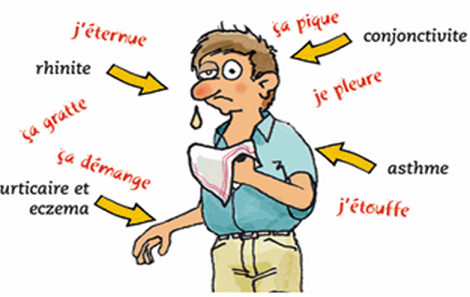
- Research on children from communities that receive a high amount of acidic pollution show increased frequencies of chest colds, allergies, and coughs.