Precipitation and co-precipitation
In this process the desired
component
is precipitated from the solution. Co precipitation is used for simultaneous precipitation of more than one component. Catalysts based on more than one component can be prepared easily by co-precipitation. The precipitation process is used for preparation of bulk catalysts and support material such as Al2O3, SiO2, TiO2, ZrO2 etc.
Process
In general, the metal hydroxides are precipitated from their precursor salt solution because of their low solubility. The precipitation of hydroxides can be performed either by starting from an alkaline solution which is acidified or from acidic solution by raising the pH. However, most hydroxides for technical application are precipitated from an acidic solution by the addition of an alkaline precipitating agent. Usually, ammonia or sodium bicarbonate is used as the precipitating agent. Highly soluble inorganic salts such as nitrates, carbonates or chlorides are generally used as metal precursors. For example, preparation of alumina is done by precipitating aluminium hydroxide from aluminium nitrate solution by addition of ammonium hydroxide.

During precipitation, several processes occurs and the major steps are :
- liquid mixing/supersatuartion
- nucleation
- crystal growth to form primary products
- aggregation of the primary particles
Initial mixing or interdispersing of components in the solution has a significant effect on the precipitation. Good mixing result in a more homogeneous product particularly in case of co- precipitation. Rate of stirring primarily affects the nucleation whereas growth rate is much less influenced by this factor. Stirring rate also affect the aggregation. Aggregate size can be influenced by changing the stirring rate and the manner of mixing.
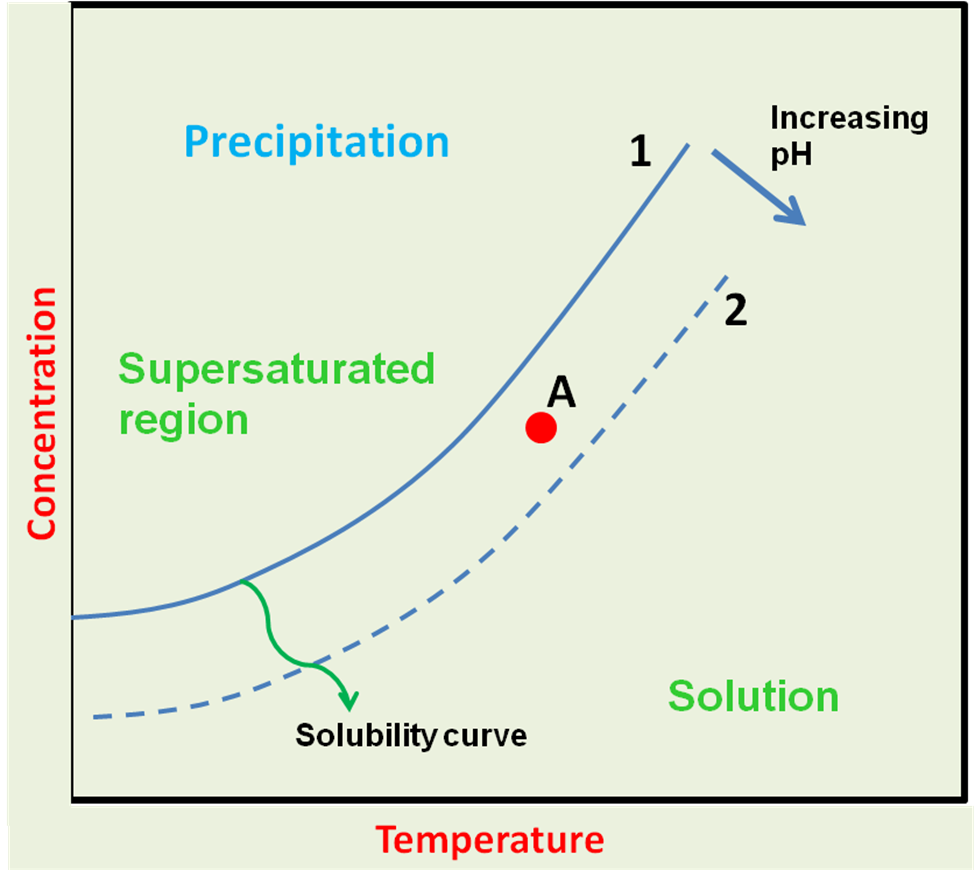
Fig 1. Parameters affecting supersaturation