Significance of Anaerobic Oxidation
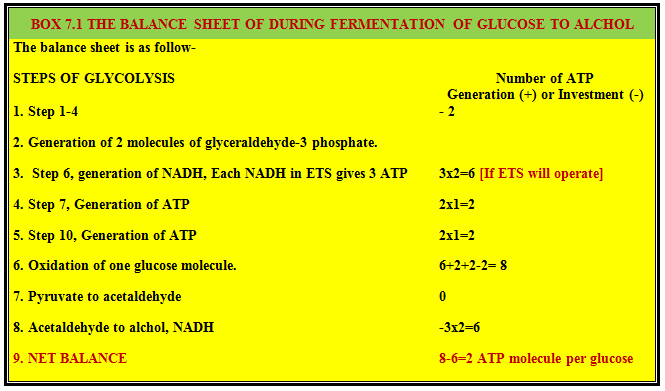
In the absence of oxygen, cell becomes short of NAD+ as glycolysis convert all NAD+ into the NADH. Kreb's cycle is not operating and to continue glycolysis to produce energy, NAD+ is required. To meet the requirement of maintaining NAD+ pool, metabolism has adopted a futile cycle approach where NADH produced in glycolysis will eventually been utilized in anaerobic oxidation to convert the aldehyde to either lactic acid or alchol. In higher vertebrate, under low oxygen pressure (such as during exercise in muscle) anerobic oxidation produces large amount of lactic acid but once oxygen is available lactic acid produced in muscle is sent to liver to regenerate glucose which will be send back to muscle for oxidative phosphorylation. This cyclic event is known as Cori cycle.