Anaerobic Oxidation- Glucose enters into the glycolysis produce pyruvate, which in turn enters into the Kreb's cycle for complete oxidation to produce maximum energy. The primary requirement of the oxidative phosphorylation is presence of a well developed electron transport chain to process reducing equivalents to produce ATP. In addition, presence of oxygen is mandatory for this process. Hence, depending upon the environmental conditions, pyruvate produced in glycolysis has multiple routes to follow as given in Figure 7.1. As discussed before, in the presence of oxygen, pyruvate directly enters into the kreb cycle to follow oxidative phosphorylation. In the absence of oxygen, pyruvate accumulates in cytosol and is immediately processed into two routes: (1) direct conversion to lactate with the help of cytosolic enzyme lactate dehyrogenase (LDH). (2) conversion of pyruvate to alchol with acetaldehyde as a intermediate by the concerted action of pyruvate decarboxylase and alchol dehyrogenase.
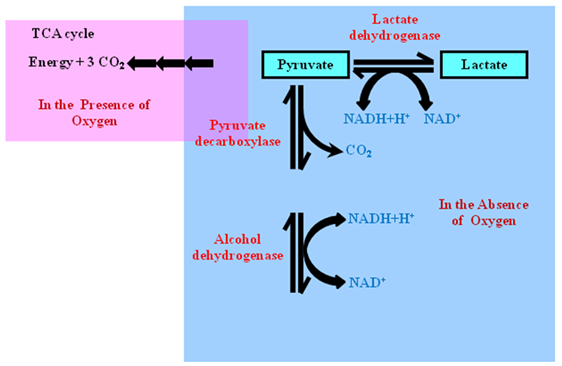
Figure 7.1: The distribution of Pyruvate during carbohydrate metabolism.