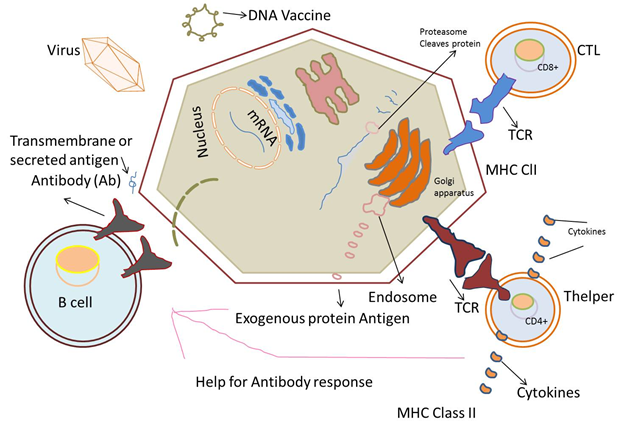
Figure 18.1 Mechanism of cytotoxic T cells, helper cells and antibodies:
The diagram depicts the intracellular and intercellular interactions needed for the antigen to produce both cytotoxic and T helper cell responses as well as the production of antibodies. The general fate of a recombinant protein or an inactivated vaccine is that it is recognized by antigen presenting cells, then degraded into peptides and further allies with the major histocompatibility complex (MHC) class II molecules and this is the reason why such vaccines do not produce a required CTL response. In future these peptide or MHC complexes trigger T helper cells. For the production of CTL response, the viral infected cell must enter the cellular processing pathway from the cytoplasm so that the peptide gets associated with MHC class I molecules. These peptides subsequently are identified by specific cytolytic T cells and then are stimulated to kill the infected cell. Thus after successful delivery of a gene encoding an antigen into the cell, cytoplasm would be the site where the synthesized protein would be located and if such protein enters the intracellular processing pathway it can result in desired CTL response after getting associated with MHC class I molecules. Live vaccine virus is the best example to achieve this gene transfer with desired CTL response. Somehow this delivery method is not applicable to many virulent diseases as the live attenuated virus vaccines have the tendency to revert back to the wild type or they may successfully down-regulate the immune response. HIV live virus vaccine for example can revert back to the virulent type and thus can be more dreaded and fatal.