4.2. Edible vaccine production and use
The bacterium, Agrobacterium tumefaciens is commonly used to deliver the DNA for bacterial or viral antigens. A plasmid carrying the antigen gene and an antibiotic resistance gene are incorporated into the bacterial cells. The cut pieces of potato leaves are exposed to an antibiotic to kill the cells that lack the new genes. The surviving cells (gene altered ones) can multiply and form a callus. This callus will sprout and form shoots and roots, which are grown in soil to form plants. After 3 weeks the plant produces potatoes containing antigen vaccines (Figure 41.4). The first clinical trials in humans involved the ingestion of transgenic potatoes with a toxin of E.coli causing diarrhoea.
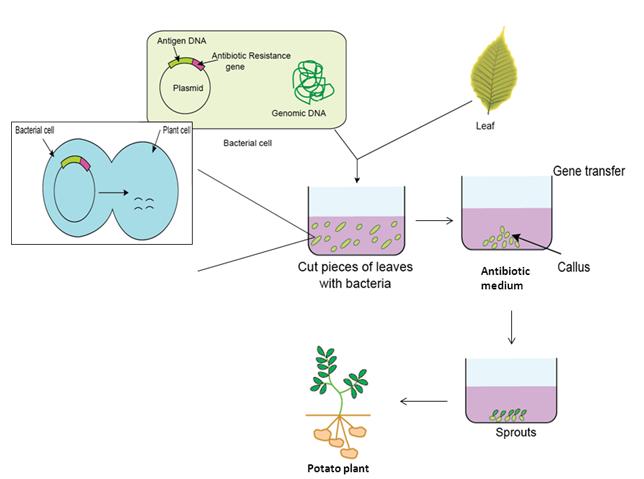
Figure 41.4: Schematic representation of production of edible vaccine