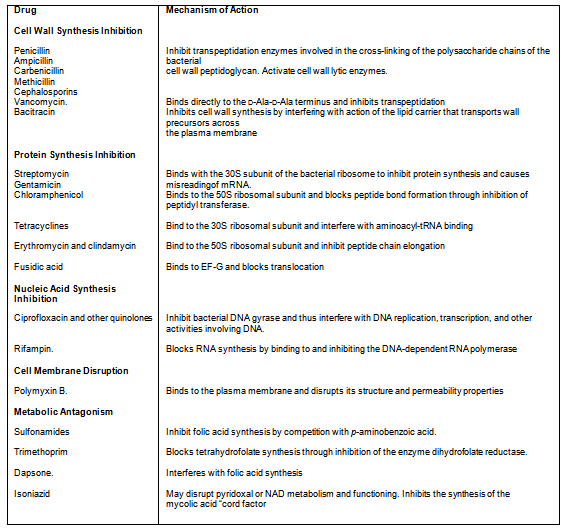
Table 2. Mechanisms of Antibacterial Drug Action
Factors influencing the effectiveness of antimicrobial drugs:
A complex array of factors influences the effectiveness of drugs. First, the drug must actually be able to reach the site of infection. The mode of administration plays an important role. A drug such as penicillin G is not suitable for oral administration because it is relatively unstable in stomach acid, while gentamicin and other aminoglycosides are not well absorbed from the intestinal tract and must be injected intramuscularly or given intravenously. Nonoral routes of administration often are called parenteral routes. Second, the pathogen must be susceptible to the drug. Actively growing and dividing cells are susceptible rather than dormant ones. Penicillins and other drugs like cephalosporins affect pathogens only if they are actively growing and dividing as they inhibit cell wall synthesis and do not harm mycoplasmas, which lack cell walls. Third, the chemotherapeutic agent must exceed the pathogen's MIC value if it is going to be effective. Finally, the most concerning is that chemotherapy has been rendered less effective and much more complex by spread of drug resistance plasmids.