Agrobacterium “Species” And Host Range
The genus Agrobacterium has been divided into a number of species on the basis of symptoms of disease and host range. A. radiobacter is an “avirulent” species,A. tumefaciens causes crown gall disease, A. rubi causes cane gall disease, A. rhizogenes causes hairy root disease andA. Vitis causes galls on grape and a few other plant species.
Agrobacterium can transform a remarkably broad group of organisms including dicots, monocots and gymnosperms. In addition, it can also transform fungi, including ascomycetes, basidiomycetes and yeasts.
5-4.2. Molecular basis of Agrobacterium-mediated transformation
5-4.2.1. Ti-plasmid
The virulent strains of A. tumefaciens harbor large plasmids (140–235 kbp) known as tumor-inducing (Ti) plasmid involving elements like T-DNA, vir region, origin of replication, region enabling conjugative transfer and o-cat region (required for catabolism of opines).
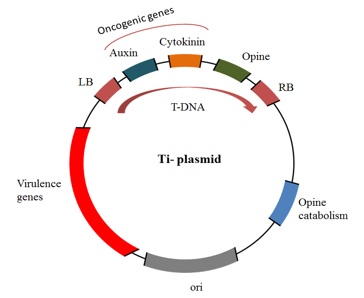
Figure 5-4.2.1: Ti-plasmid of Agrobacterium
T- DNA
It is a small, specific segment of the plasmid, about 24kb in size and found integrated in the plant nuclear DNA at random site. This DNA segment is flanked by right and left borders.