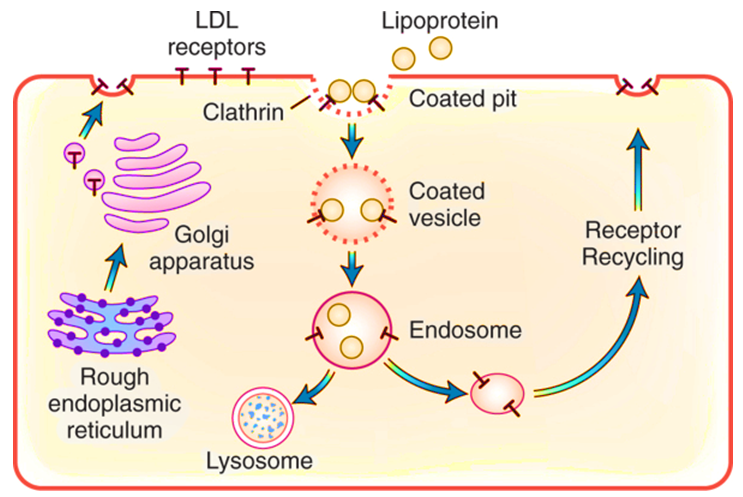
Figure 34.3: Cell surface receptor and its use to absorb the lipid from circulation.
(D) Phagocytosis, antigen presentation and killing of micro-organisms- Phagocytosis is a dynamic process by which pathogens and unwanted tissue debris are scavenged from the host body. Phagocytosis starts when macrophage extend its pseudopodia around the foreign particle (such as microorganism) and entrap it into vesicular structure called as “phagosome”. The phagosomal compartment subsequently fuses with lysosomes to form phago-lysosome, facilitating the destruction of ingested material into smaller peptides (Figure 34.4). In addition, micro-organisms are killed by ROS, such as superoxide, H2O2 and hydroxyradicals released after respiratory burst. Oxidized halogens (HOCl) is known to destroy many bacterial components including nucleotides and redox enzymes at a rapid rate. Besides foreign particles, dead and damaged cells are cleared by the macrophages through phagocytosis. Aged normal RBCsbind nonspecifically large quantities of Ig recognized by the macrophage Fc receptors and phagocytized. Once ingested, the RBCsare degraded to liberate iron from hemin and stored in the form of protein complexes to support erythropoiesis.The peptide fragments activate other immune cells (T-lymphocytes) to produce immunological response to further clears foreign pathogens.