3.11.2. Classification of Enzymes
About 3,000 enzymes are known and 25,000 are speculated of which only 10% of known are commercially available. Two of the most popular areas of biotransformations that have a very great relevance to organic synthesis involve the hydrolysis reaction by the use of hydrolase enzymes (25% of known enzymes) and organic oxidation-reduction reaction catalyzed by the enzyme class oxidoreductase (65 % of known enzymes).
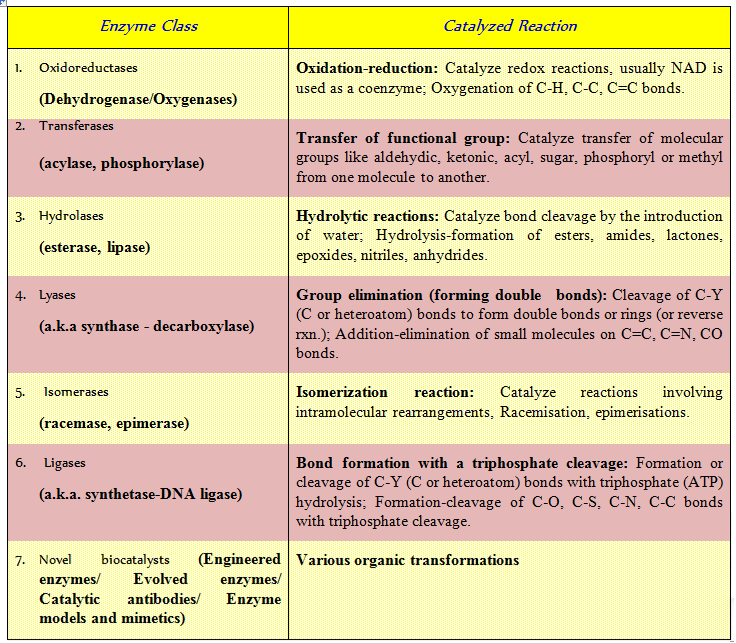
3.11.2.1. Oxidoreductases: Use of Horse Liver Alcohol Dehydrogenase (HLADH)-Catalyzed Oxidations: Enzymatic Kinetic Resolution
In kinetic resolution, two enantiomers show different reaction rates in a chemical reaction, thereby creating an excess of the less reactive enantiomer. This excess goes through a maximum and disappears on full completion of the reaction. Because of the property of enantiodiferention shown by enzyme, they are being widely used for such purposes. Kinetic resolution was first observed by Marckwald and McKenzie in 1899 in the esterification reaction of racemic mandelic acid with optically active (-)-menthol to a pair of diastereomeric esters.
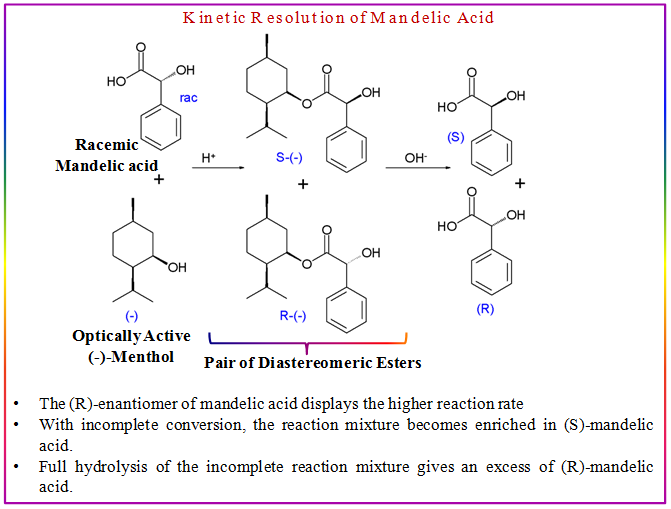
Figure 3.17: Kinetic resolution of Mandelic acid.