40.1: Phenol Formaldehyde
Polymer Chemistry : The formation of phenol formaldehyde follows step – growth polymerization. The process can be either acid – catalysed or base – catalysed.
Base-catalysed phenol formaldehyde resins are made with formaldehyde to phenol ratio of around 1.5. Such resins are sometimes called resols, and are found in varied industrial products. Laminates are made by impregnating one or more layers of base materials like paper or cotton with phenolic resin with the application of temperature and pressure. Moreover the resins act as binding agents in brake pads, brake shoes and various other applications.
Technology (Figure 40.1):
The polymerization process for the manufacture of phenol formaldehyde is an exothermic one and is controlled by a batch reactor as the viscosity of the material changes rapidly.
The raw materials for the process – phenol, formaldehyde and the catalyst are mixed in a jacketed autoclave , which is also termed as a resin kettle. Inside the autoclave, the mixture is heated with steam. Water cooling and refluxing remove the excess heat of reaction. During the initial stages of the reaction , the heavy viscous resins settle as the bottom layer, with an aqueous layer on top. A combination of heat and vacuum in the resin kettle (autoclave) enables the dehydration of the reaction mixture.
At around 130-150°C, the resin fuses and is removed from the kettle . Then product is then cooled and is ground to form fine powders. This molding powder which forms can be mixed with fillers, coloring agents , lubricants and catalysts in a ball mill. Inorder to prepare the commercial phenolic molding powder, the final product may be further heated on a pair of differential heating rolls.
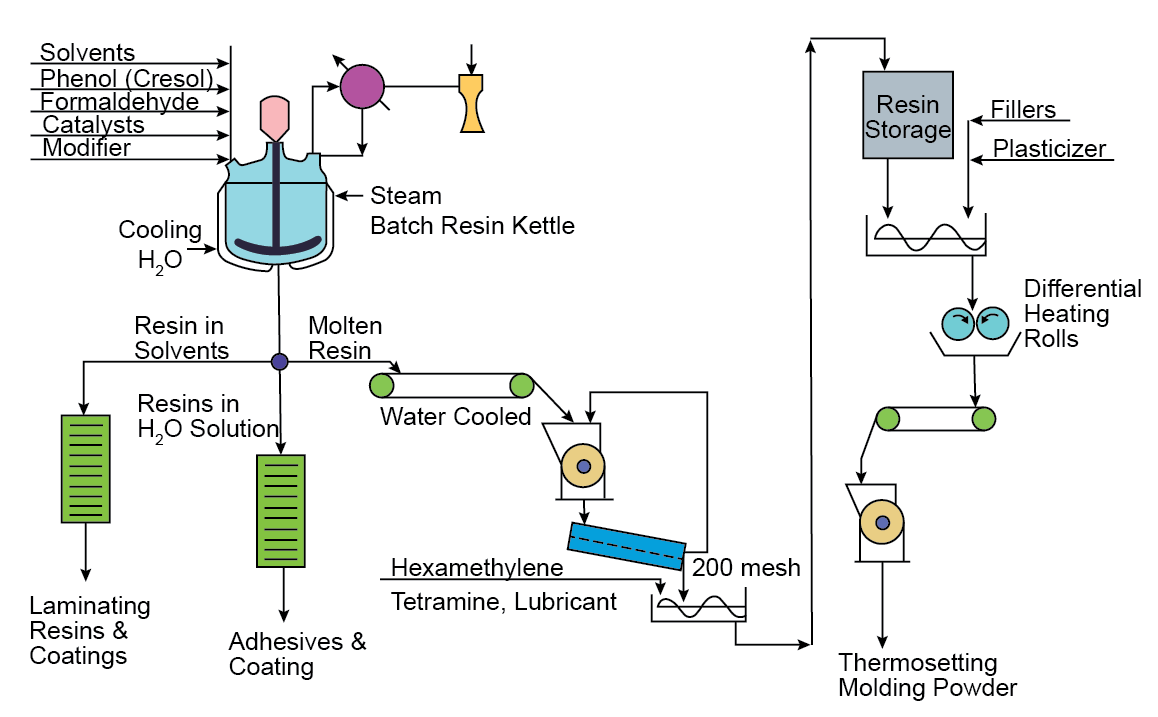
Figure 40.1 Manufacture of Phenol Formaldehyde