7.2 Plate types
Gas and liquid flow across the tray can either be by cross-flow or counter-flow manner (Figure 7.4). The cross-flow plates are most widely practiced and the three main types of cross flow plates are: bubble cap, valve and sieve trays with downcomer.
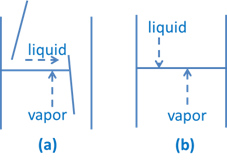
Figure 7.4. Classification of plate types based on flow mode- side view shown: (a) Cross-flow plate, (b) Counterflow plate.
7.2.1 Bubble cap plates
An enhanced gas-liquid contact can be achieved having bubble caps on the tray at very low liquid flow rates. A bubble cap consists of a riser (also called chimney) fixed to the tray through a hole and a cap is mounted over the riser (Figure 7.5). The gas flows up through the riser, directed downward by the cap through the annular space between riser and cap. Finally, the gas is dispersed into the liquid. A number of slots in the lower part of the cap help in gas bubble dispersion. Un-slotted types of cap designs are also common in application. Bubble caps are especially suitable for higher turndown ratio. Turndown ratio is the ratio of maximum operating vapor rate to the minimum allowable vapor rate, below which weeping starts.
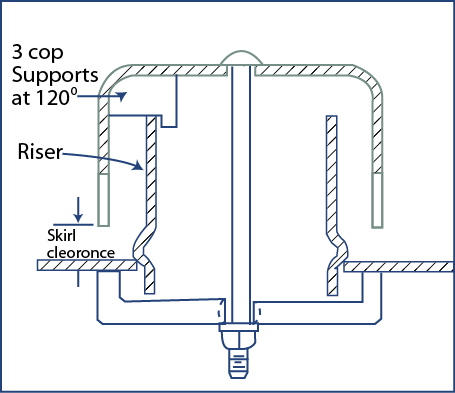
Figure 7.5 . Bubble caps ( [1] page 166 ).
7.2.2 Valve plates
Valve trays (or floating cap plate) are the modified design of sieve trays where relatively large plate perforations are covered by movable caps/valves (Figure 7.6). Valves cover may be round or rectangular. The very common hole diameter is 40 mm but upto 150 mm are also used. The valve lifts up as the vapor flow rate increases and the valve sits over the perforation at lower flow rate, thus stops the liquid from weeping. Valve trays provide good vapor-liquid contact at low flow rates (high turndown ratio).
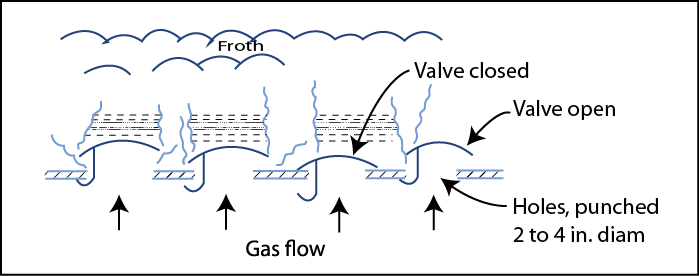
Figure 7.6 . Valve tray ( [4] page 14-25 ).