7-1.3.5. Microbial Cell-Surface Display
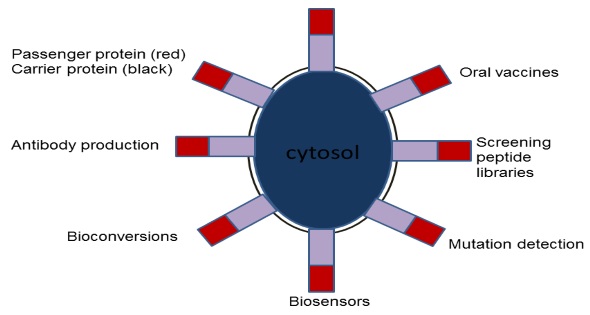
Fig.7-1.3.5: Different applications of various bio macro molecules generated in microbes
Cell-surface display allows proteins, peptides and other bio macro molecules to be displayed on the surface of microbial cells by fusing them with the anchoring motifs. The protein to be displayed -passenger protein - can be fused to an anchoring motif - the carrier protein - by N-terminal fusion, C-terminal fusion or sandwich fusion. The specific features of carrier protein, passenger protein and host cell, and various fusion methods affect the efficiency of surface display of bio-macromolecules. Microbial cell-surface display has many potential applications, including live vaccine development, peptide library screening, bioconversion using whole cell biocatalyst and bio-adsorption.
7-1.3.6 Potential applications of genetic manipulation of micro-organisms
One of the potential applications of microbial biotechnology is the production of pharmaceuticals, neutraceuticals by bacteria or other micro-organisms that produce economically, clinically important products like human insulin for diabetics or human growth hormone for dwarf individuals. Techniques are being perfected to transfer human genes into cows, sheep, and goats to obtain medically significant products from the milk of these animals.
Development of diagnostics is to detect disease-causing organisms and monitor the safety of food and water quality. Investigators are developing systems for identifying pathogens that may be used as biological weapons by rogue nations or even terrorist groups in future.
Bacteria can be genetically altered to emit a green fluorescent protein visible in ultraviolet light when they metabolize the explosive TNT leaking from land mines. Researchers envision a day when bacteria can be applied to a tract of land with a crop duster and then be analyzed from a helicopter. Genetically modified microorganisms can be used a living sensor to detect any particular chemicals in soil, air or other inorganic or biological specimens.
In Microbial Genome Program, alterations in the genome of the bacterium Deinococcus radiodurans are performed to increase its potential in cleaning up toxic-waste sites. The microbe's extraordinary DNA-repair processes enable it to thrive in high-radiation exposed environments.
Using various biotechnological processes, genes can be added from other organisms that will confer the ability to degrade toxinogenic chemicals such as toluene, commonly found in chemical and radiation waste sites.